The Munich issue
Under the Chestnut Trees: Where Munich Shares a Bench
A calm, walkable guide to Munich's beer gardens — which ones suit a big group, which suit two, and how to claim a bench under the chestnuts without getting it wrong.

By Bram JanssenMunich on foot, one neighbourhood at a time
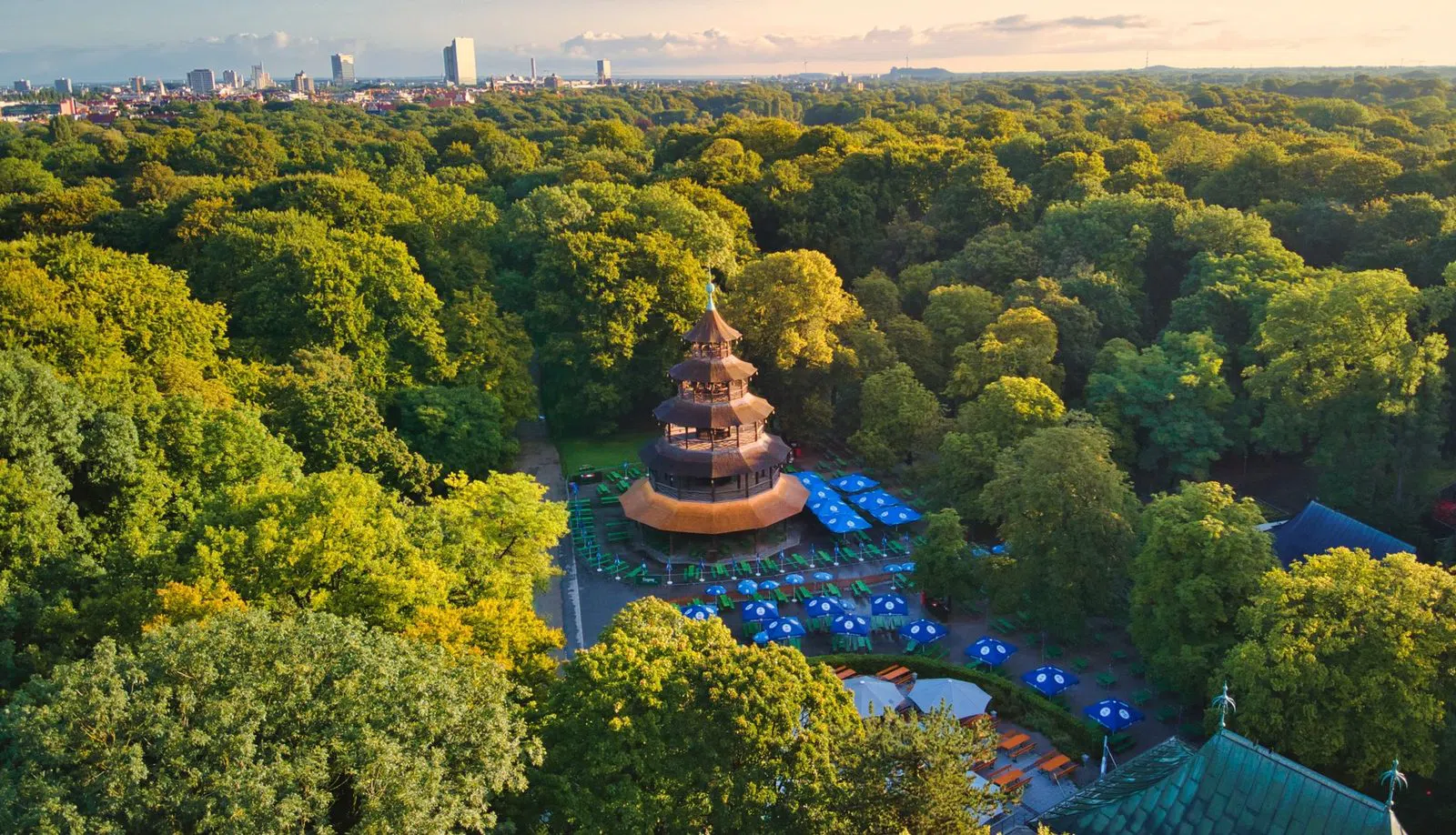
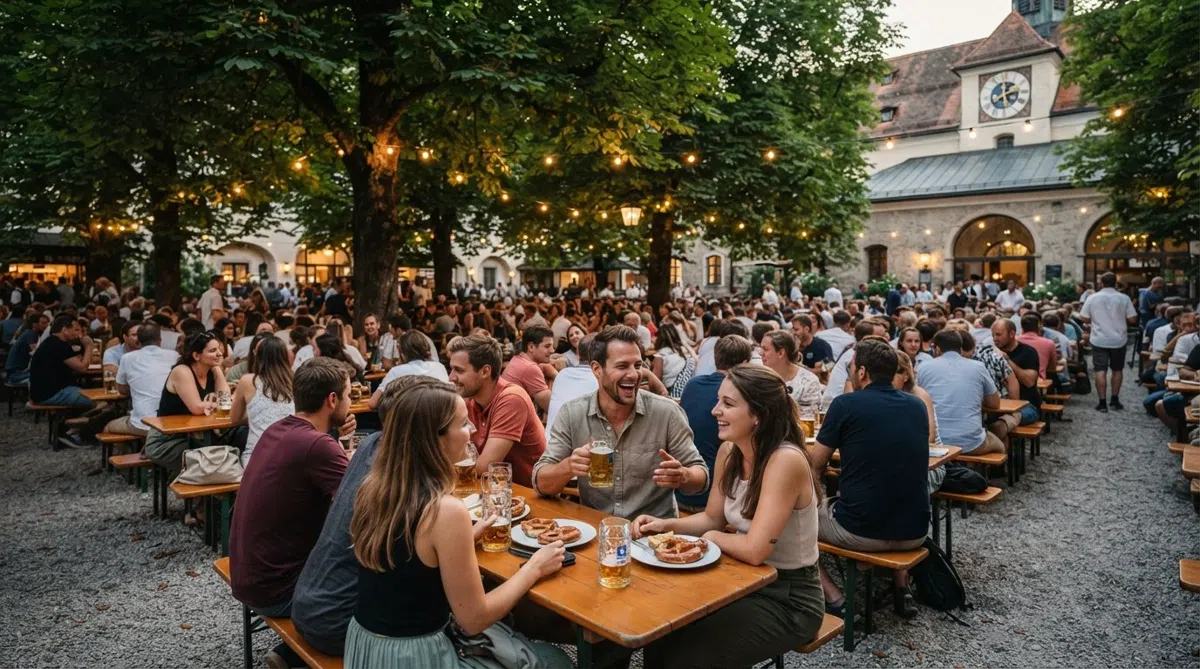
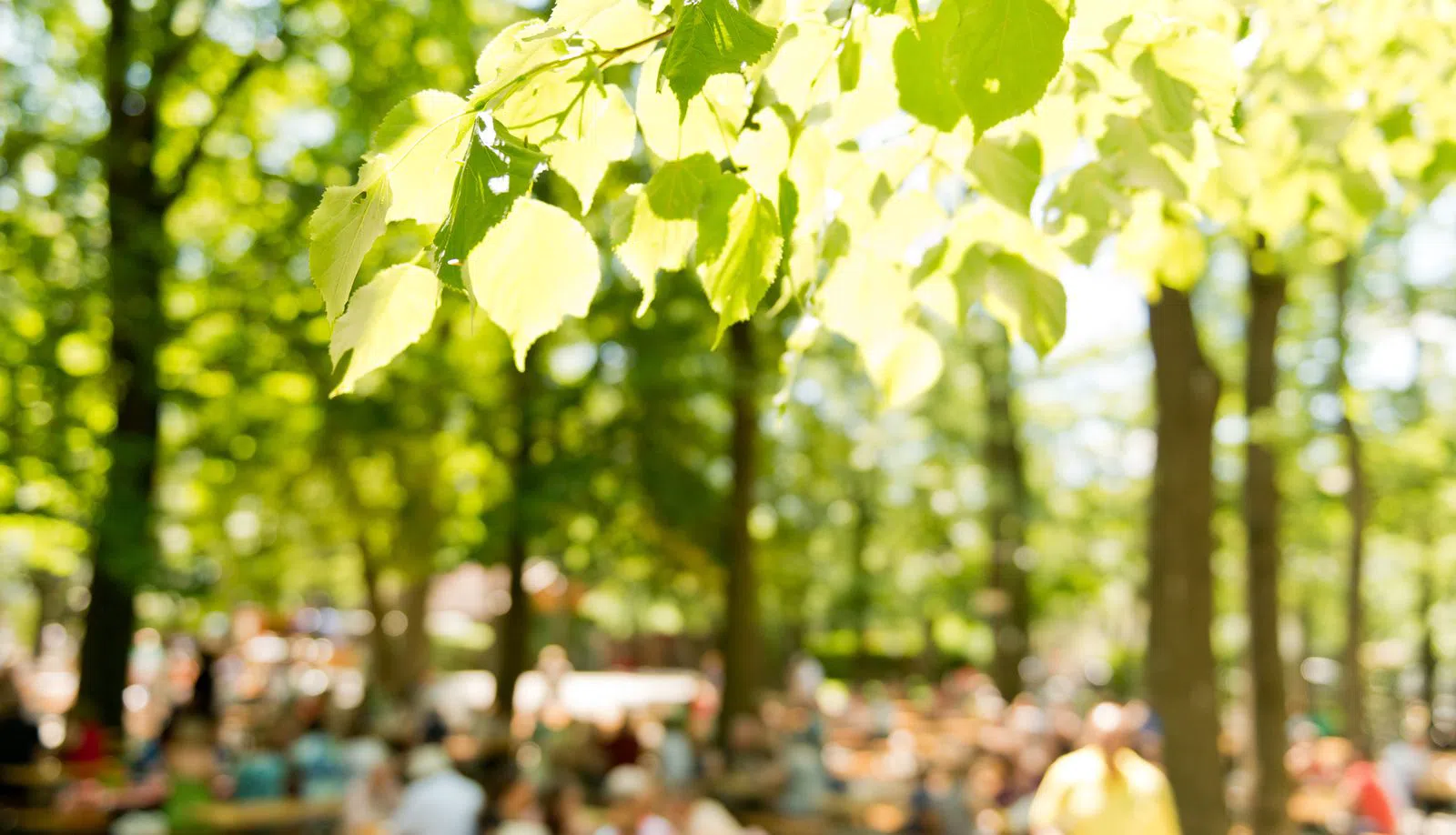
The chestnut trees came first, and everything else grew up beneath them. Brewers planted them over their cellars to keep the beer cool through the summer, and once there was shade, people brought bread, then benches, then whole afternoons. A Munich beer garden is still that simple arrangement: a long wooden bench, gravel underfoot, a litre of beer sweating in the sun, and the understanding that the stranger beside you has as much right to the table as you do.
This is a guide to sharing that bench well — where to go with thirty people and where to go with one, how the self-service ritual works, and which gardens are worth a tram ride out of the centre. Every place here is a real, open Munich garden, grouped so you can plan a day rather than chase a single stop.
How the benches work
Two rules will save you confusion. First, most gardens split into a self-service area and a served (Bedienung) area. In the self-service part you queue at a hatch, carry your own Maß — the one-litre glass, the default measure here — and, crucially, you may bring your own food. This is a genuine Bavarian tradition, not a loophole: bread, radishes, cheese, a whole picnic is fine at the plain wooden tables. The served tables, usually marked with a tablecloth, are for ordering from staff; don't unpack sandwiches there.
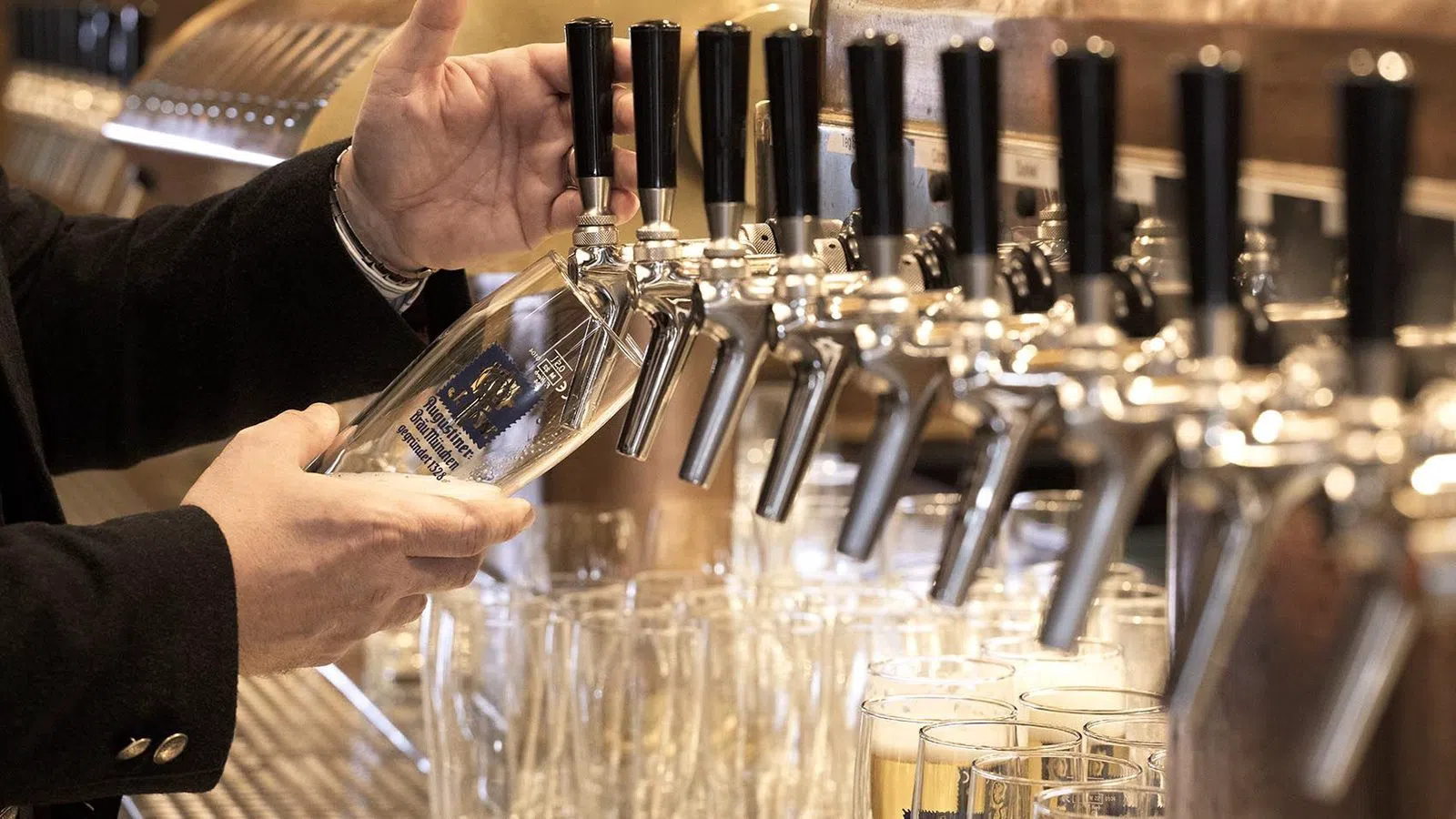
Second, a Maß is roughly a litre and lands around €10.80–€11 across the city, so pace yourself and drink water alongside. Bring cash. Many hatches are cash-only or slow with cards, and you'll pay a deposit (Pfand) on the glass that you reclaim when you return it. Gardens run roughly from late morning until 22:00–23:00, weather permitting; the good afternoon light and the free benches both go early, so aim to arrive before you're hungry.
Plan your Munich trip
Live prices from our booking partners.
Free cancellation on many rooms. We may earn a commission when you book.
The central trio you can walk
If your time is short, three gardens sit close enough to string together on foot through the Altstadt and its western edge.
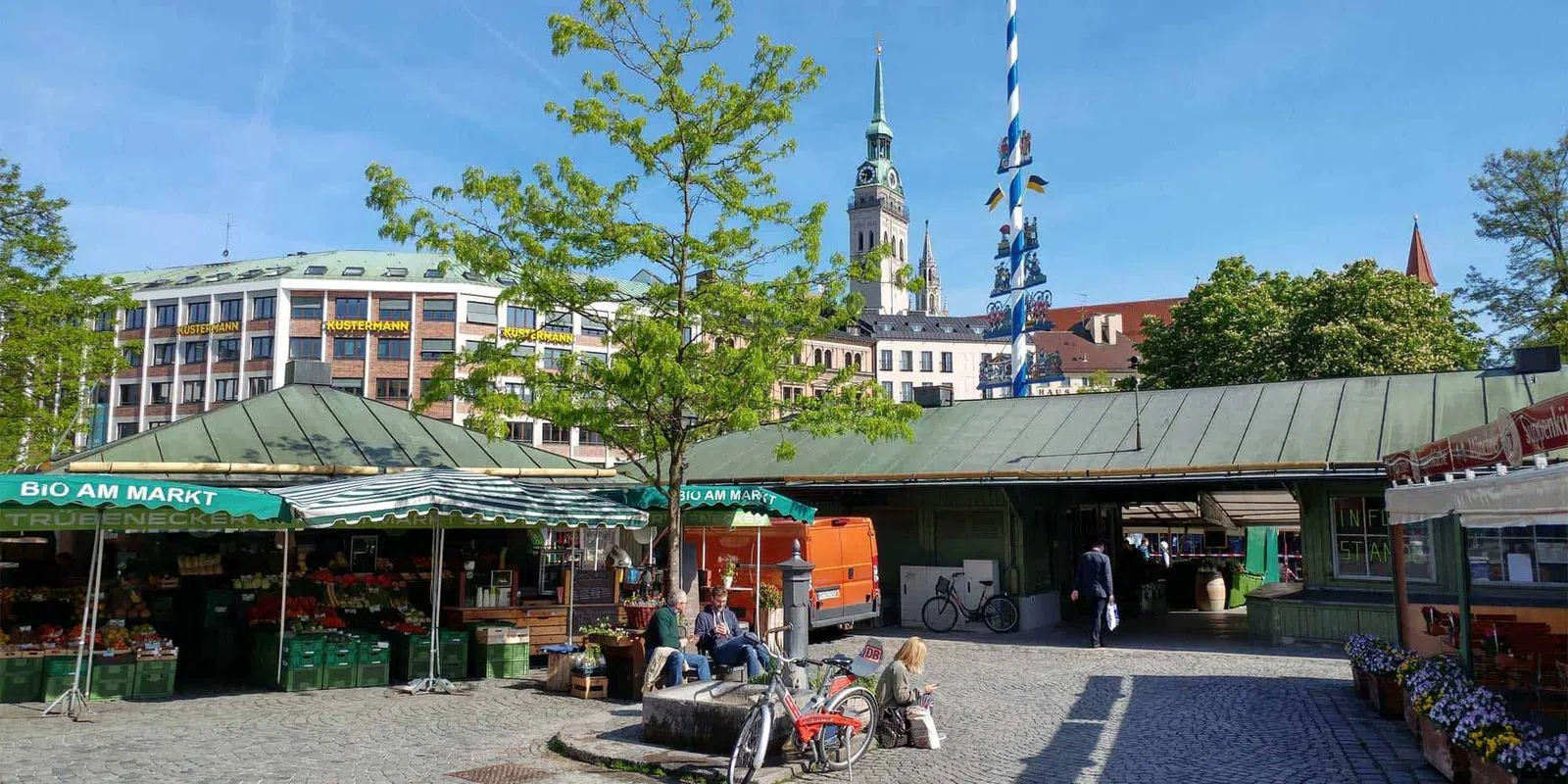
Start at the Viktualienmarkt Biergarten (Altstadt), planted in the middle of the city's main food market a few minutes' walk south of Marienplatz. With around 700 seats it's the most central garden in Munich and the most useful for a small-to-mid group breaking up a day of sightseeing — no reservations, open even in winter, and a clever quirk: it rotates through all six of the city's big breweries every fortnight, so the beer changes with the calendar. Buy your food from the market stalls around it and carry it to a bench. It's a stop, not a destination — don't plan your whole evening here.
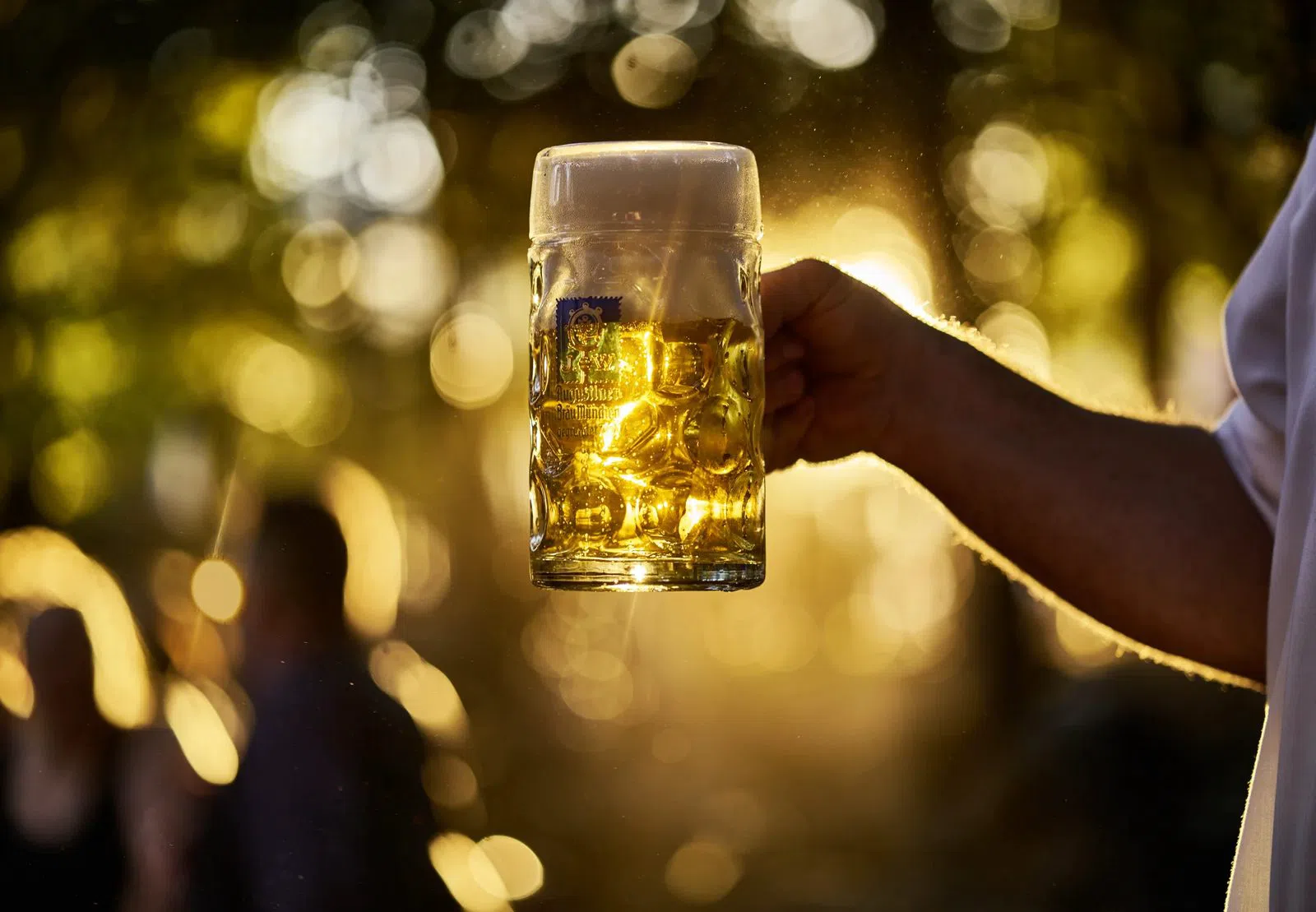
Walk north-west toward the main station and you reach the Augustiner-Keller (near Hauptbahnhof, on Arnulfstraße), which has poured beer on this spot since 1812 — the oldest continuous beer garden in the city. Its roughly 5,000 self-service seats spread under old trees, and for a lot of locals this is simply the best beer in Munich, thanks to the Edelstoff still served from wooden barrels. Walk-ins take the benches; organised parties can reserve tables inside the restaurant. It handles groups calmly and it's the one I'd send a first-timer who wants the real thing rather than the postcard.
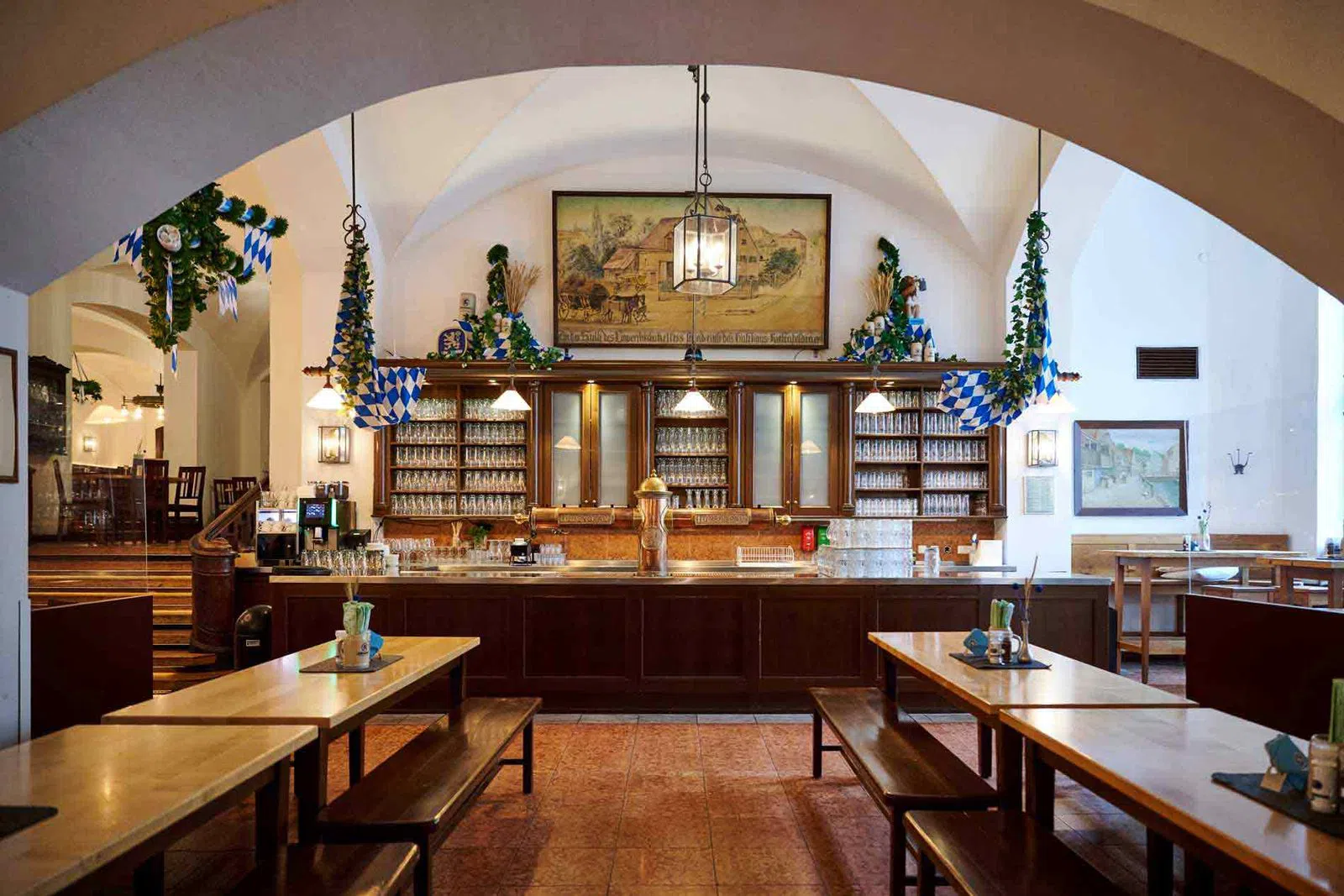
A little further north-west, near Stiglmaierplatz, the Löwenbräukeller (Maxvorstadt) pairs a large courtyard garden with cavernous festival halls. This is the one built for occasions: the halls host big banquets and events, so it's the right call if your group is a celebration with a fixed number of heads rather than a loose afternoon. On a quiet weekday the courtyard is an easy place for a single Maß, but its real character shows when a hall is full.
The English Garden gardens
The Englischer Garten holds two of the city's most photographed gardens, and they suit very different moods.
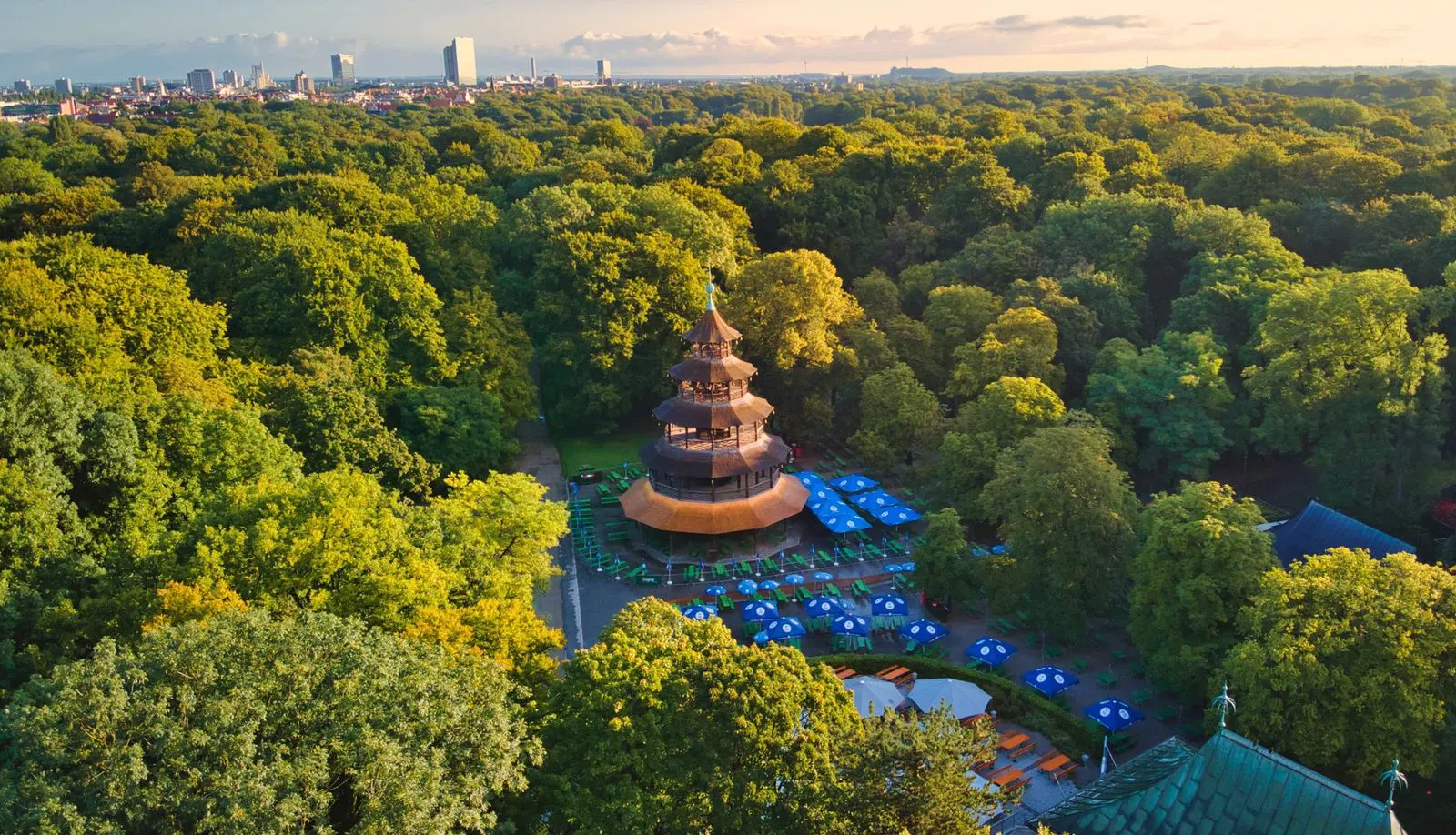
The Biergarten am Chinesischen Turm (Englischer Garten, Schwabing side) is the iconic one, built around a wooden pagoda with a Lederhosen brass band playing from its balcony. At roughly 7,000 self-service seats it's Munich's second-largest garden, and no reservation is needed — you simply find a run of shared benches and settle in. Be honest with yourself about what it is: touristy, busy, loud in the best and worst senses, and a genuine bucket-list afternoon for a first visit. For a big international group that wants the full brass-band spectacle, it delivers exactly that.
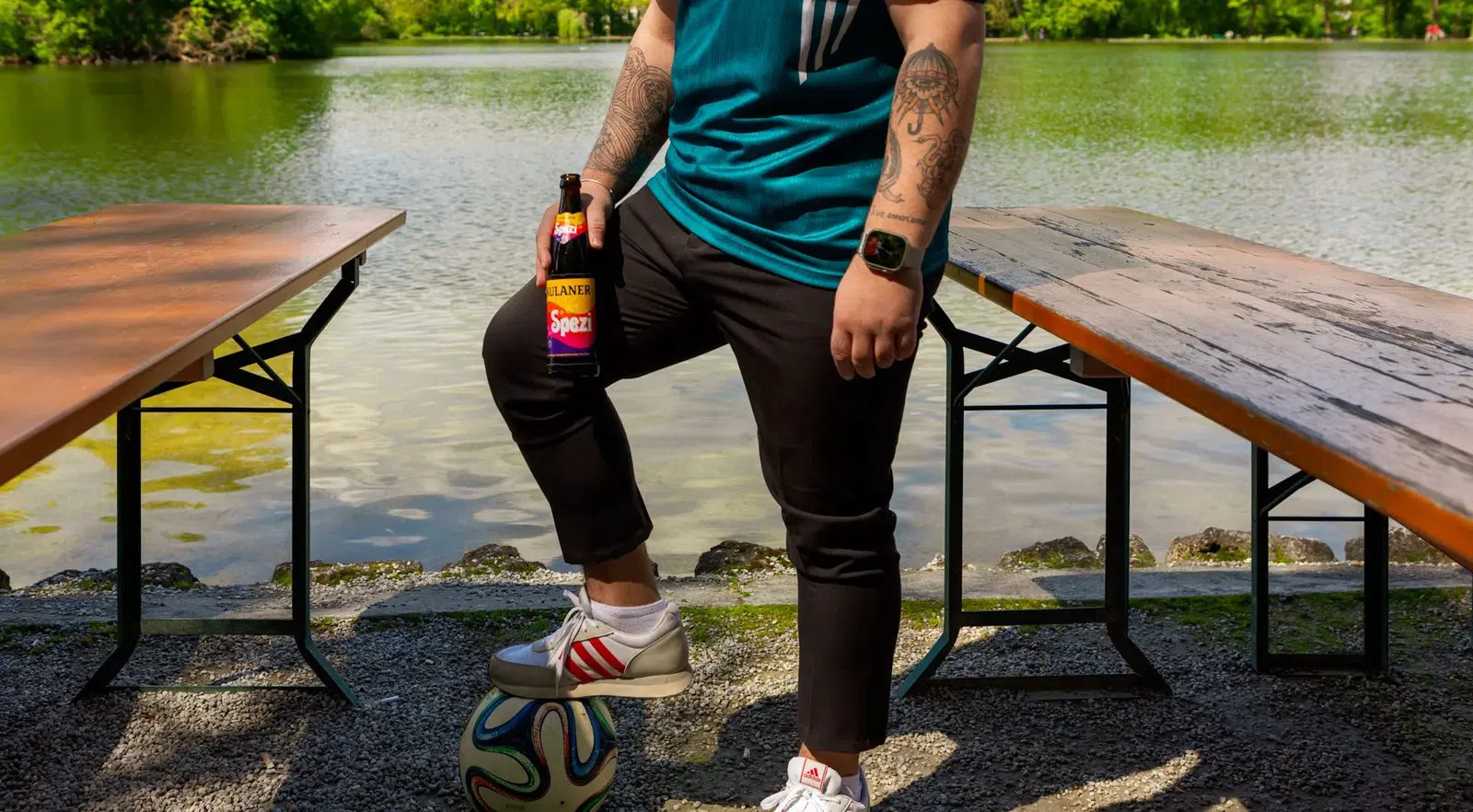
Fifteen minutes' walk further into the park, the Seehaus im Englischen Garten (Englischer Garten, Kleinhesseloher See) sits directly on the lake and is the prettiest garden in the city at golden hour. It takes groups across around 2,500 self-service seats, with a reservable restaurant and a lakeside terrace for larger, more organised bookings. This is the one for a mixed group that wants scenery over rowdiness — couples, families, anyone who'd rather watch rowing boats than shout over a tuba. Prices tip a little higher here (€€–€€€), which is fair for the setting.
The great western lawns
Head out to Neuhausen, west of the centre, for space — these gardens trade the crowds for room to breathe.
The Königlicher Hirschgarten (Neuhausen) is the world's largest beer garden: a vast self-service area seating around 7,000, plus 1,200 served seats, set beside a deer enclosure that gives it its name. It's where actual Münchners still outnumber visitors, which makes it the safe, characterful default for any large international group. Parties over 30 should email [email protected] to reserve rather than gambling on walk-in benches; everyone smaller just turns up. At around €10.80 a Maß it's fair value for the scale and the atmosphere.
A short distance away, the Taxisgarten (Neuhausen) is the quieter counterpoint — around 1,500 seats and an unhurried, genuinely local neighbourhood feel well off the tourist trail. Tables are reservable for organised parties, the Augustiner is excellent, and the legendary half-chicken (halbes Hendl) is the reason regulars keep coming. This is a relaxed group meal, not a spectacle. If the Chinesischer Turm is the postcard, the Taxisgarten is the address a local gives you.
East of the Isar, where locals drink
Cross to the eastern bank — Haidhausen and Au — for the gardens visitors most often miss.
The Hofbräukeller am Wiener Platz (Haidhausen) is the one to know. It pours the same Hofbräu beer as the famous, tourist-thronged Hofbräuhaus in the centre, but here it comes with a leafy square, vaulted cellar rooms reservable for parties, and far more locals than out-of-towners. As a group option it works in both directions: benches outside for a casual afternoon, cellar rooms inside for an organised celebration. If someone in your party insists on the Hofbräuhaus experience, this is the honest, less-crowded version of it.
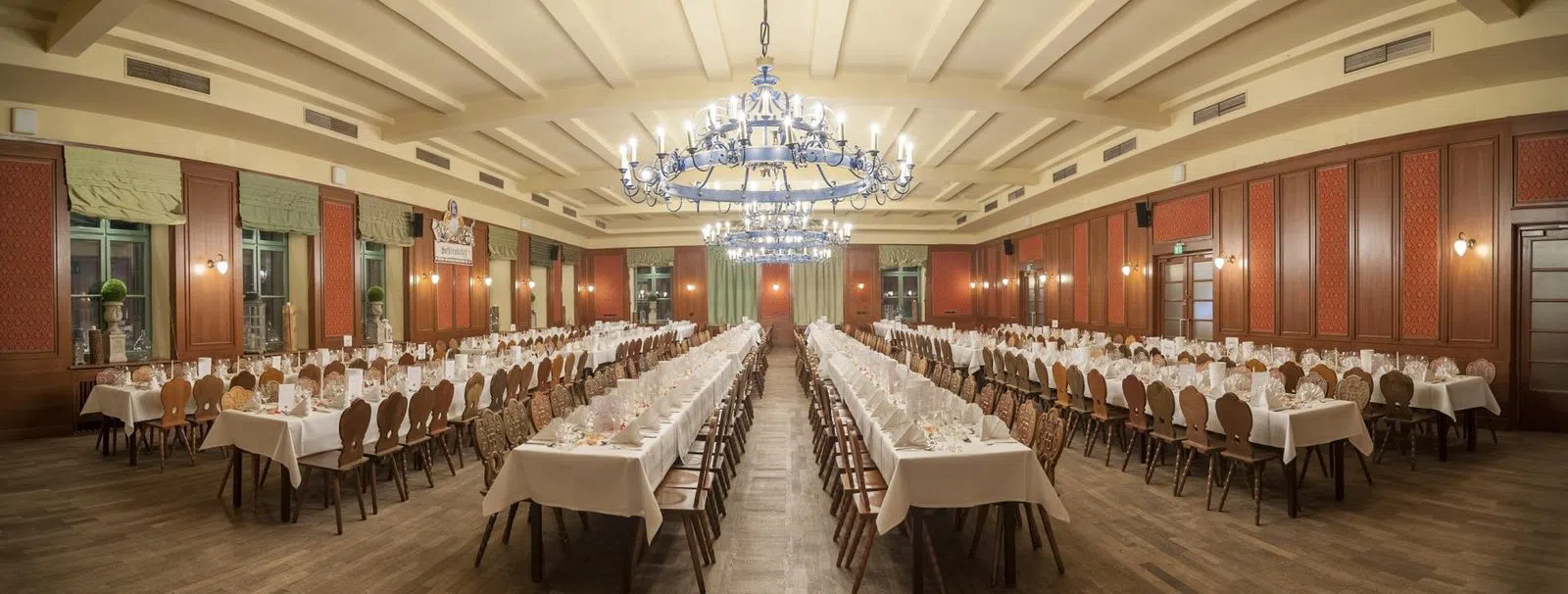
South along the river bluff, Paulaner am Nockherberg (Au) is the home of Paulaner and of the famous Starkbier (strong-beer) season each spring. It's modern and spacious — around 2,500 seats plus event halls and reservable areas built for large celebrations, with grill stations that suit big, hungry groups. It lacks the gnarled-chestnut romance of the older gardens, but for a party that needs food volume and booked space, it's one of the most capable choices in the city.
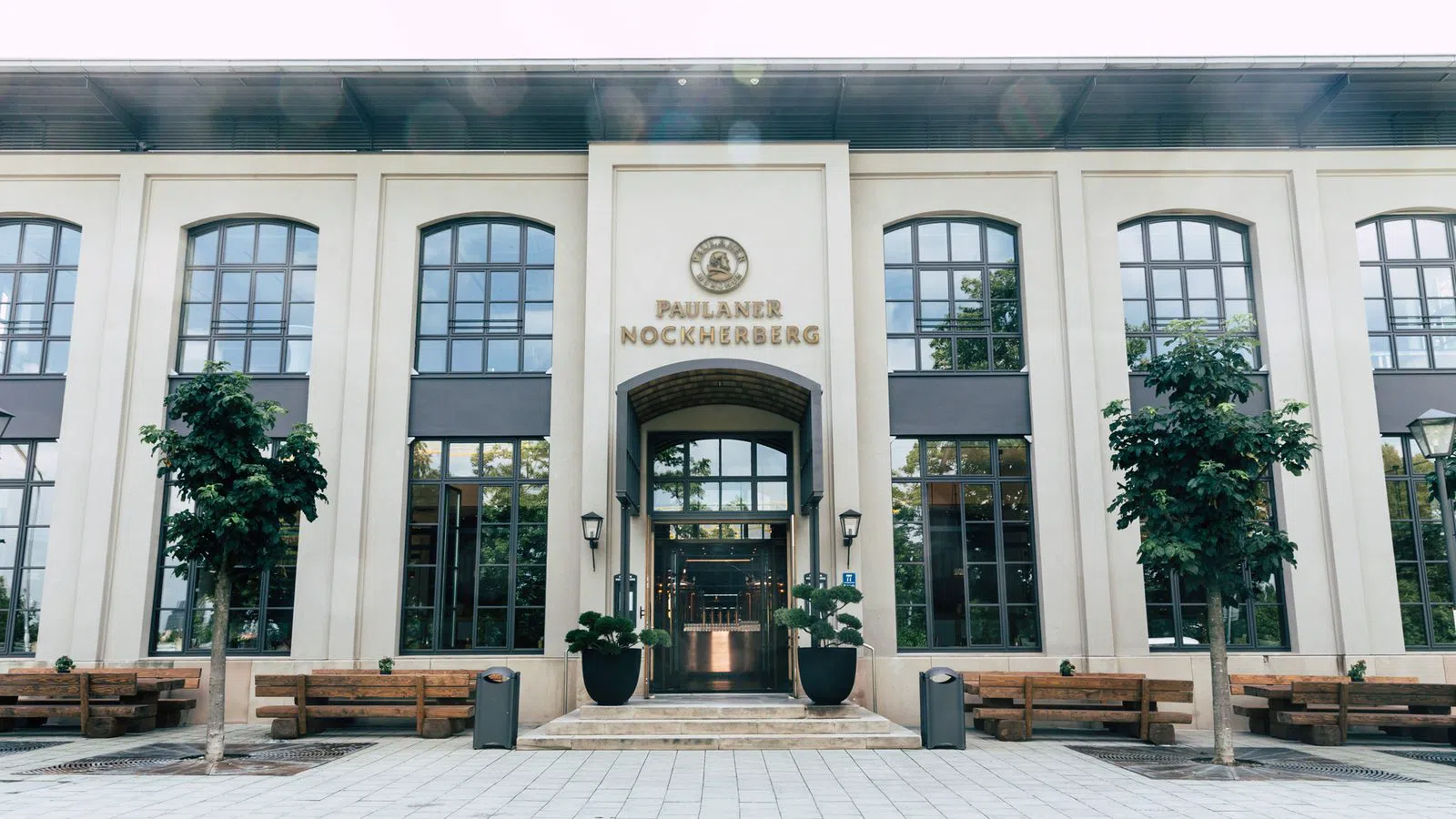
Closer to the Isar and the Gasteig, the Biergarten am Muffatwerk (Haidhausen) is the outlier: Munich's first certified-organic beer garden, attached to a live-music and club venue. It's smaller — around 400 seats, 100 of them under cover if the weather turns — and best for smaller groups and a younger, alternative crowd rather than a traditional Bavarian one. Come here when you want the evening to continue into a gig or a club next door, not when you want brass bands and Lederhosen.
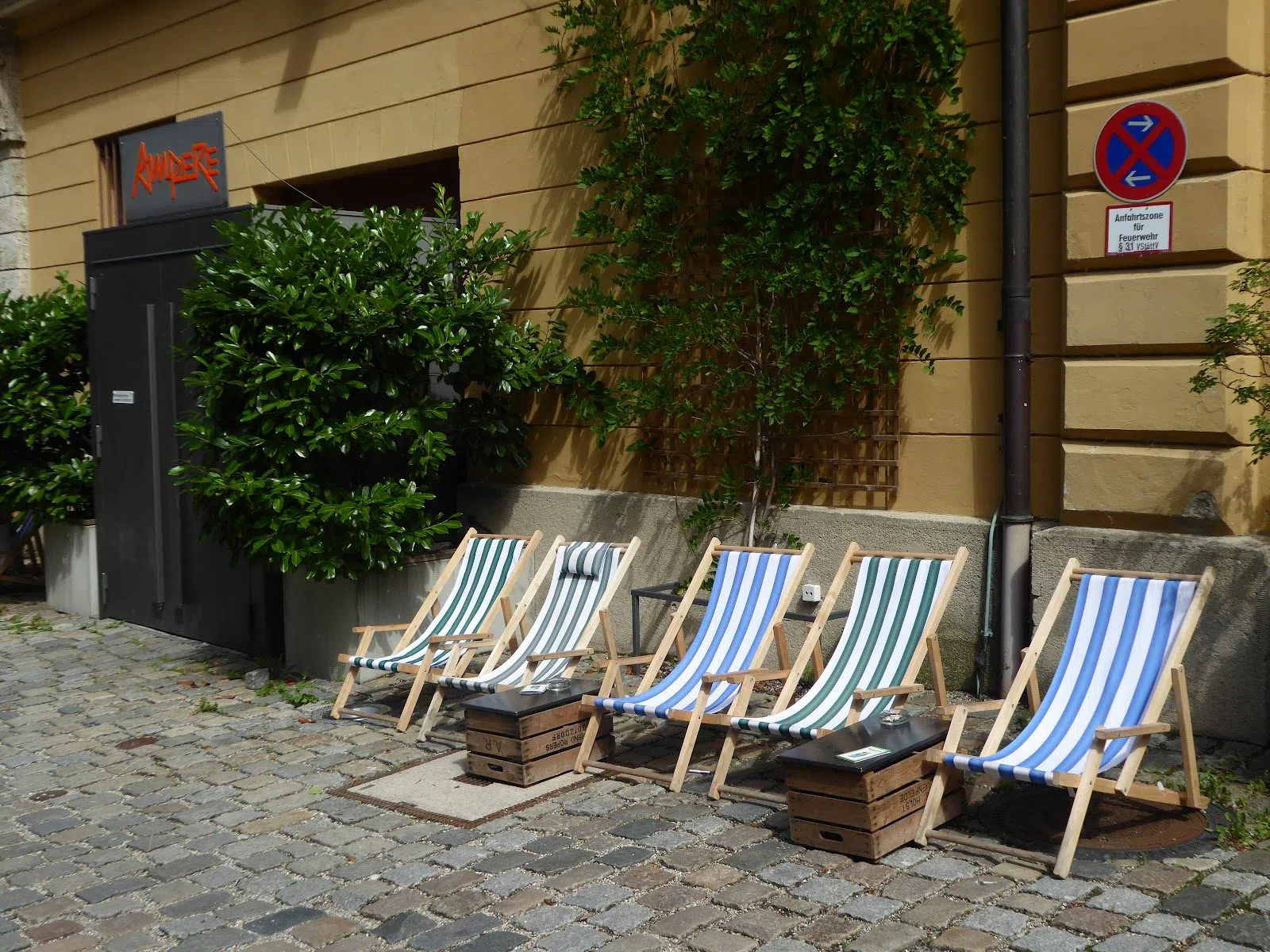
Down by the river and out in the parks
Some of the most local days out sit furthest from the guidebook route.
Zum Flaucher (Sendling, on the Isar) is a green riverside hideaway you have to walk or cycle to reach — there's no tram to the door, and that's the point. Around 1,300 relaxed self-service seats mean you can usually claim a bench even in high summer, and the classic move is to pair it with a swim in the Isar's gravel shallows for the most local warm-weather day in the city. Bring a towel, bring cash, bring time.
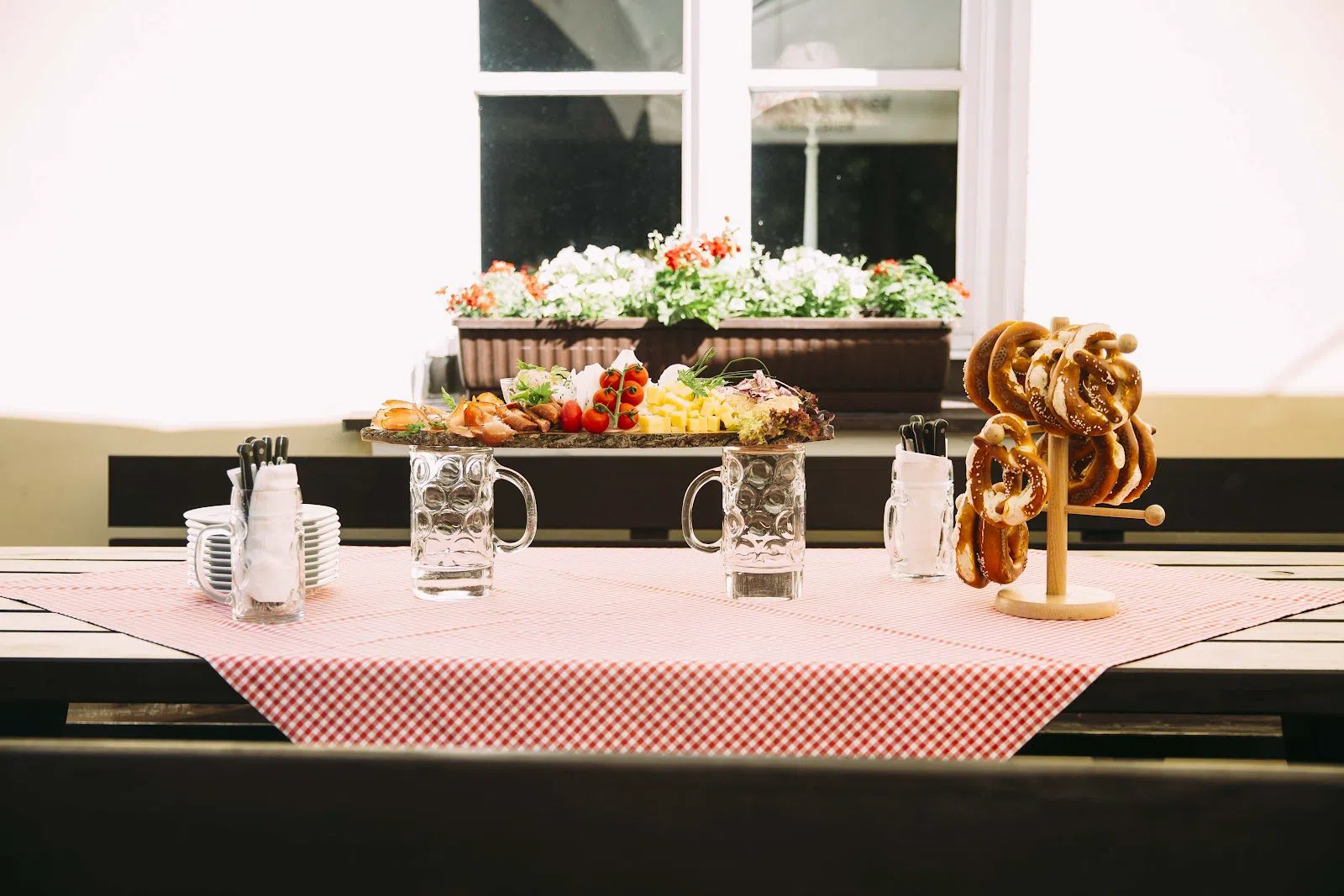
Further east, the Michaeligarten im Ostpark (Ramersdorf-Perlach) is a peaceful lakeside garden that's been open since 1973, tucked into the Ostpark well away from the crowds. It takes groups across its benches and has a restaurant with a terrace and separate rooms for parties and celebrations. This is the family-friendly, low-key pick — the kind of place you go with small children or older relatives who want calm water and shade rather than a tuba.
Two trips worth the tram
Two gardens repay a short journey out of the centre for a specific reason.
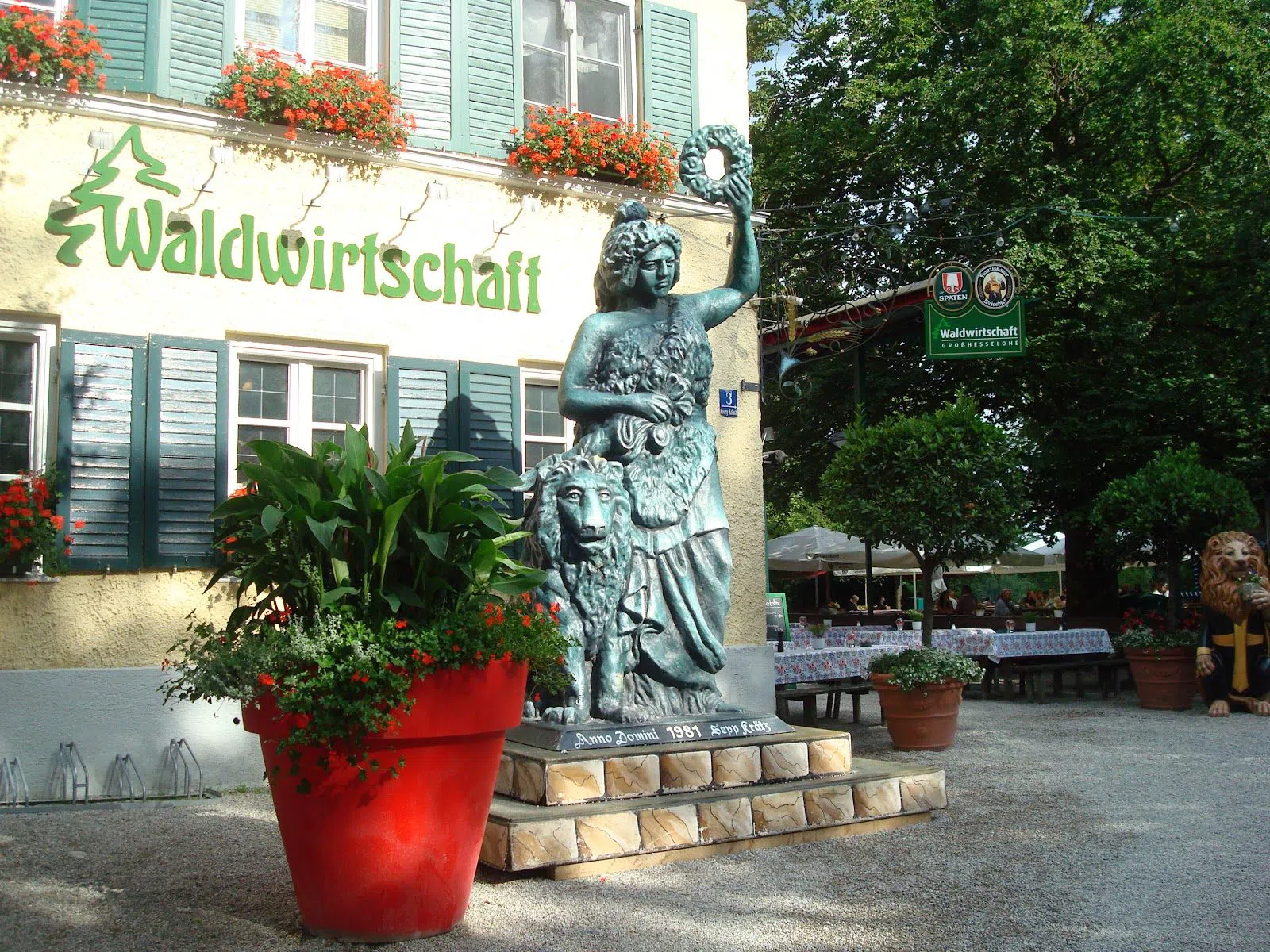
Head south to Großhesselohe for the Waldwirtschaft (WaWi) (Großhesselohe), Munich's famous jazz beer garden. Around 2,250 group-friendly seats sit above the Isar valley, and in summer there's daily live swing and Dixieland — with one catch worth planning around: a local noise rule means the music stops by 21:30, so this is a daytime and early-evening garden, not a late night. Come for a long lunch and an afternoon set, then move on.
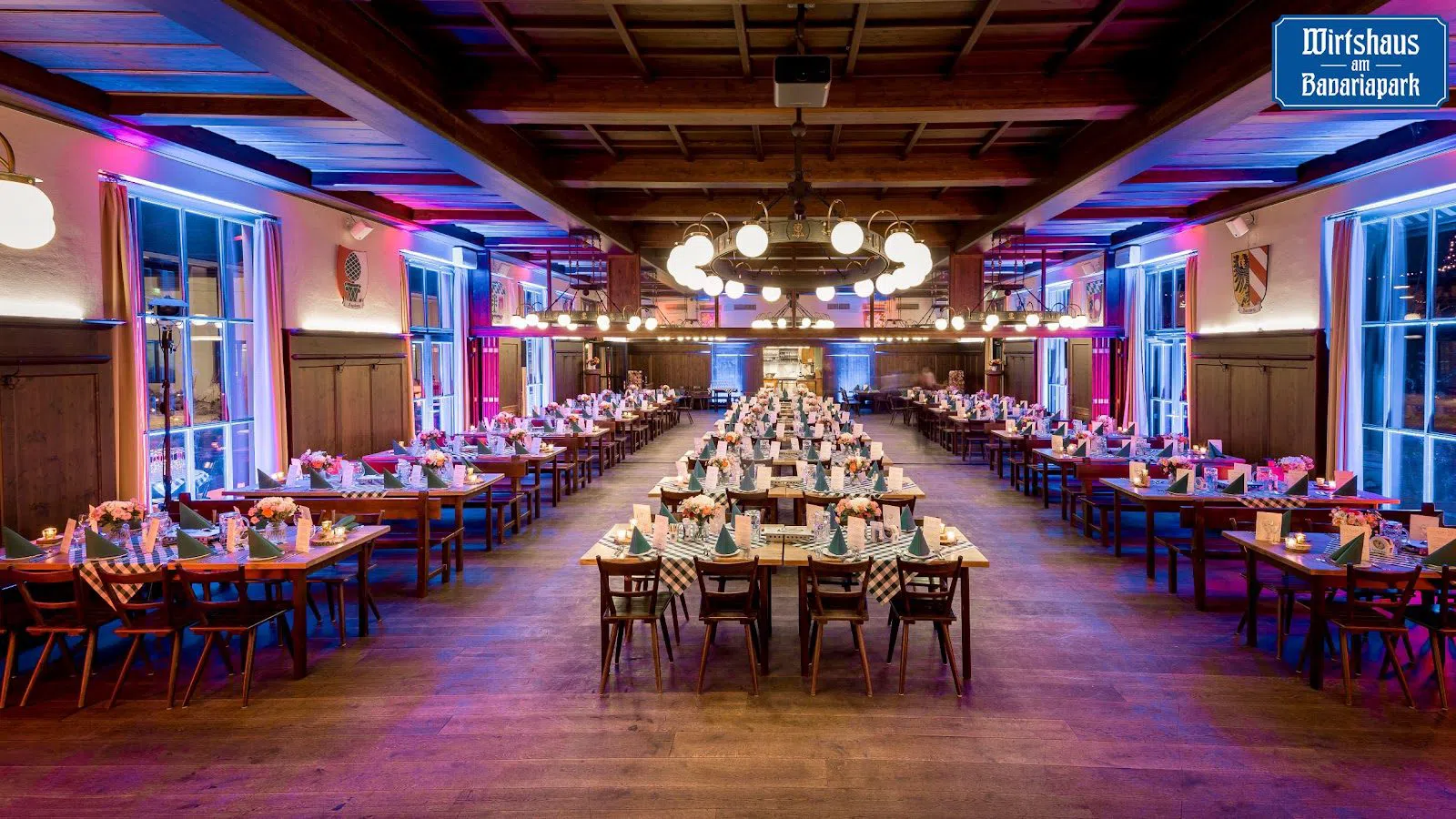
Closer in, beside the great Theresienwiese field, the Wirtshaus am Bavariapark (Ludwigsvorstadt) offers around 1,200 traditional-bench seats plus a reservable Wirtshaus for parties, in the shadow of the Bavaria monument. It's less touristy than its central-map position suggests and especially handy around Oktoberfest, when the whole neighbourhood fills — a sane place to sit when the festival grounds next door are overwhelming.
Practical notes
Getting there. The central three (Viktualienmarkt, Augustiner-Keller, Löwenbräukeller) are walkable from Marienplatz and the Hauptbahnhof. The English Garden gardens are a short U-Bahn ride plus a walk; the western lawns sit near the Hirschgarten S-Bahn stop; the eastern gardens are quick on tram or U-Bahn from the centre. Zum Flaucher has no door-to-door transit — plan to walk or cycle the last stretch along the Isar. For the full picture of neighbourhoods and how they connect, see the Munich guide.
Cash. Carry euros in small notes and coins. Self-service hatches move faster with cash, and you'll want change for the glass deposit, which you reclaim on return.
Timing. Arrive before you're hungry — good benches and low afternoon sun both disappear by mid-evening. Weekday afternoons are calmest; sunny weekends fill fast. If live music matters, remember the Waldwirtschaft's 21:30 cut-off.
Groups. For thirty or more, reserve ahead: email the Hirschgarten, or book tables or rooms at Augustiner-Keller, Seehaus, Taxisgarten, Paulaner am Nockherberg, Hofbräukeller, Michaeligarten, the Wirtshaus am Bavariapark, or Löwenbräukeller. For a spontaneous walk-in of any size, the huge self-service gardens — Hirschgarten, Chinesischer Turm, Augustiner-Keller — rarely turn a group away.
Budget. Reckon on €10.80–€11 for a Maß citywide, plus food; the self-service gardens where you bring your own picnic are the cheapest way to spend a long afternoon. Most gardens sit at €€, with the Seehaus edging higher for its lakeside setting.
Staying. Any of the eastern or western neighbourhoods put you within a short tram ride of a garden; compare areas and prices with a Munich hotel search before you book.
Before you go
Can I bring my own food to a Munich beer garden?
Yes, in the self-service areas — this is a genuine Bavarian tradition. At the plain wooden tables you may unpack your own bread, cheese and picnic, and at the Viktualienmarkt Biergarten you buy food from the surrounding market stalls. The rule doesn't apply at the served (Bedienung) tables, usually marked with a tablecloth, where you order from staff.
Which Munich beer garden is best for a large group?
For a big international group, the Königlicher Hirschgarten in Neuhausen is the safe default — the world's largest garden, mostly locals, with room for thousands. Parties over 30 should email [email protected] to reserve. For a booked celebration with food, Paulaner am Nockherberg and Löwenbräukeller have halls and reservable areas built for scale.
Do I need to reserve a table, or can I just turn up?
For self-service benches you simply turn up — no reservation, even at the huge gardens like the Chinesischer Turm and Augustiner-Keller. Reservations only apply to served tables, restaurants and event rooms, which are worth booking for organised parties, especially groups of 30 or more.
How much does a beer cost in a Munich beer garden in 2026?
A Maß — the standard one-litre glass — runs roughly €10.80 to €11 across the city, plus a refundable deposit on the glass. Bring cash in small notes and coins, as many self-service hatches are cash-only or slow with cards. The self-service gardens where you bring your own food are the cheapest way to spend an afternoon.
Which beer garden suits couples rather than big groups?
The Seehaus im Englischen Garten, set directly on the lake, is the prettiest at golden hour and the best pick for scenery over rowdiness. For a quiet, genuinely local afternoon, the Taxisgarten in Neuhausen and the lakeside Michaeligarten im Ostpark are calm and unhurried — better for two than the brass-band crowds of the Chinesischer Turm.