
Munich
Munich operates with a polished precision that can initially mask its deeply indulgent soul.
Guests & rooms
The Munich guide
An insider’s read on Munich
MMunich operates with a polished precision that can initially mask its deeply indulgent soul.
Munich's identity was forged under the centuries-long rule of the Wittelsbach dynasty, who transformed a modest medieval trading post into a grand royal capital of neoclassical palaces, wide boulevards, and world-class art collections. The scars of the twentieth century run deep, yet the city made a conscious decision during post-war reconstruction to meticulously rebuild its historic Altstadt rather than replace it with modernist concrete. This architectural preservation gives Munich an intimate, human-scale feel despite its status as Germany's economic powerhouse. The local vibe is fiercely independent, distinctly Bavarian first and European second, characterized by a relaxed confidence and an unwavering appreciation for the good life.

PLATE IMunich, Germany

Guides & ideas
The Munich reading list
Hand-written guides from our editors — itineraries, the best of after dark, where to eat, and what’s genuinely worth your time.
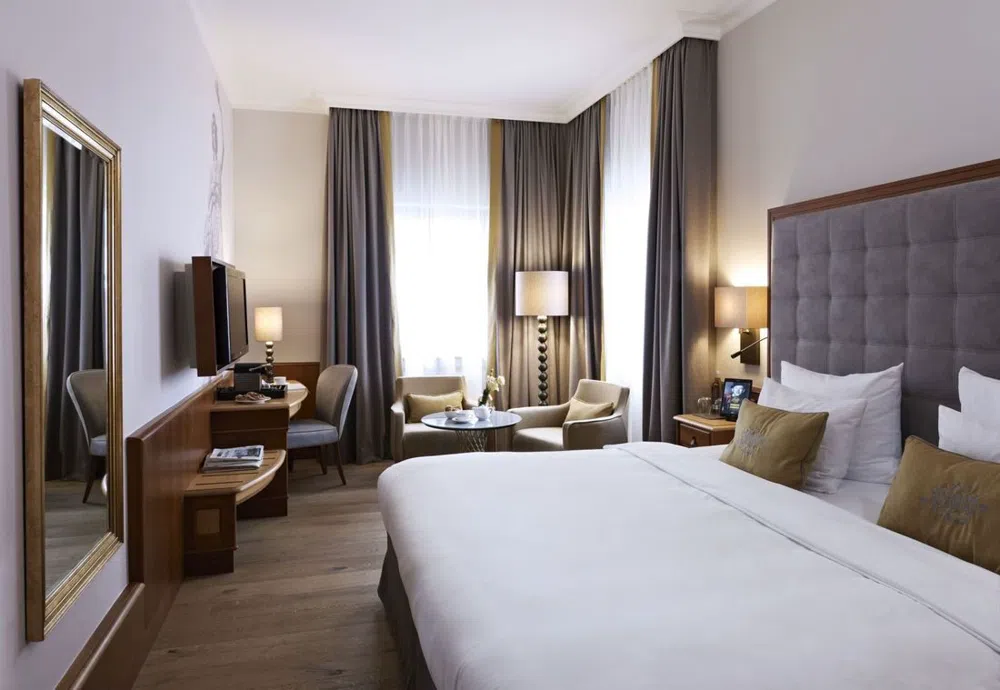
Where to Stay in Munich for Oktoberfest 2026
Fifteen beds near the Theresienwiese, priced for the festival window, with what each door says about groups and the walk home timed from every one.
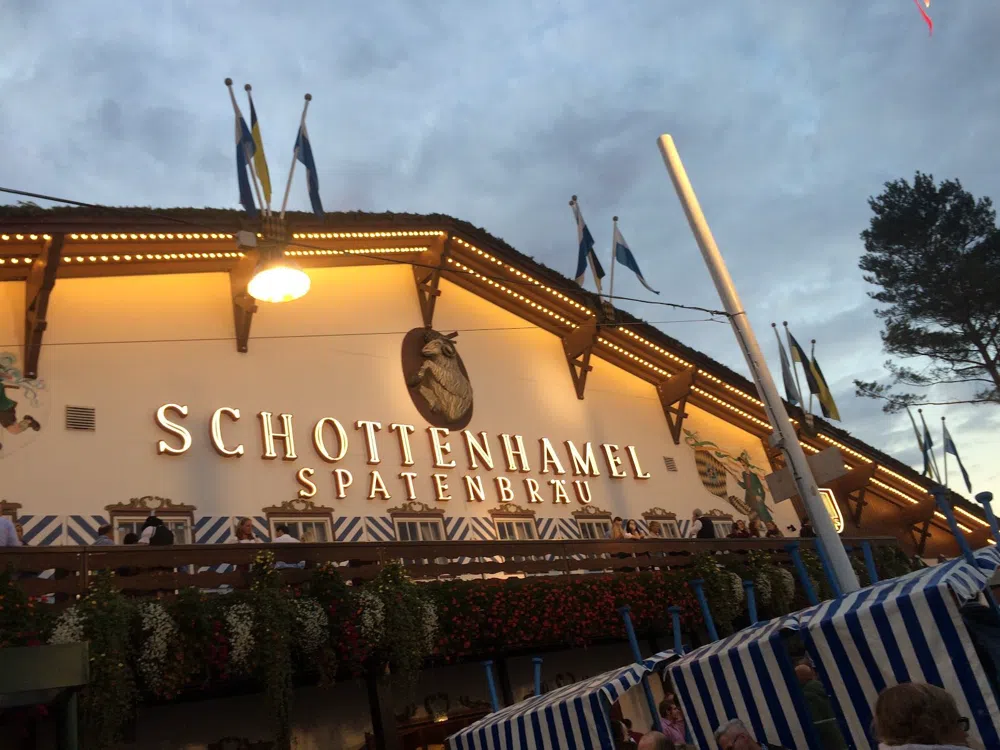
What Munich's Oktoberfest Rules Actually Mean for Visitors
Sixteen days, fourteen tents and a fairground the size of a small town, decoded for anyone who has never been.
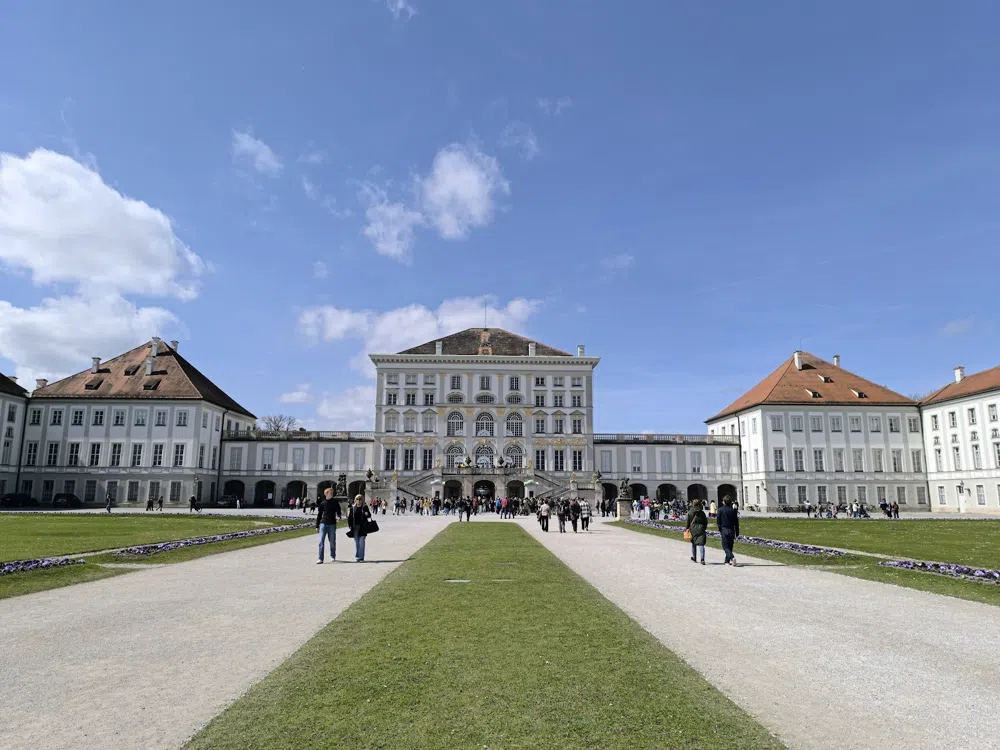
Munich's Nymphenburg: A Summer of Palace and Porcelain
A full-day route through Munich's western palace district, where a Baroque summer residence, a working porcelain manufactory and 180 hectares of parkland sit close enough to walk between.
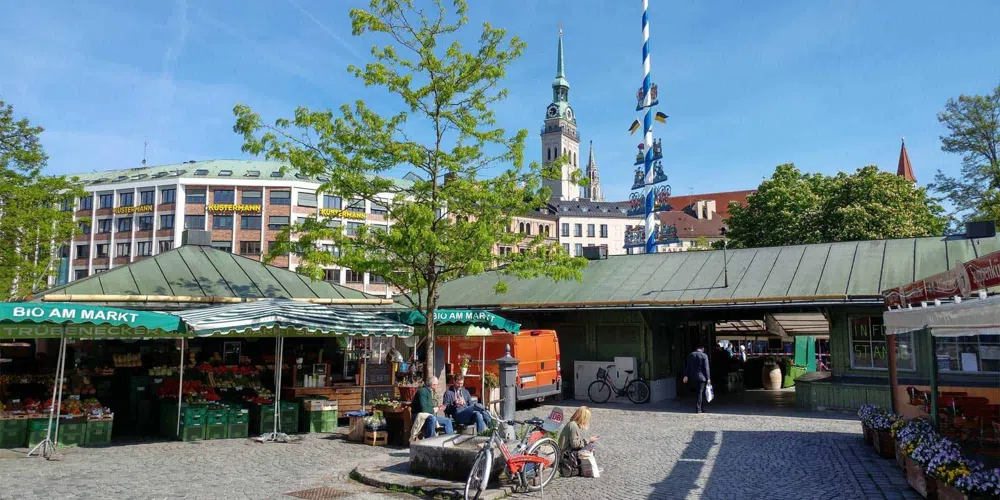
Viktualienmarkt at Dawn — Munich's Famous Food Market Before the Crowds Arrive
Before the tour groups descend, Munich's 140-stall market belongs to a 5:30am coffee ritual, a standing-room doughnut queue, and the families who've run its counters for generations.
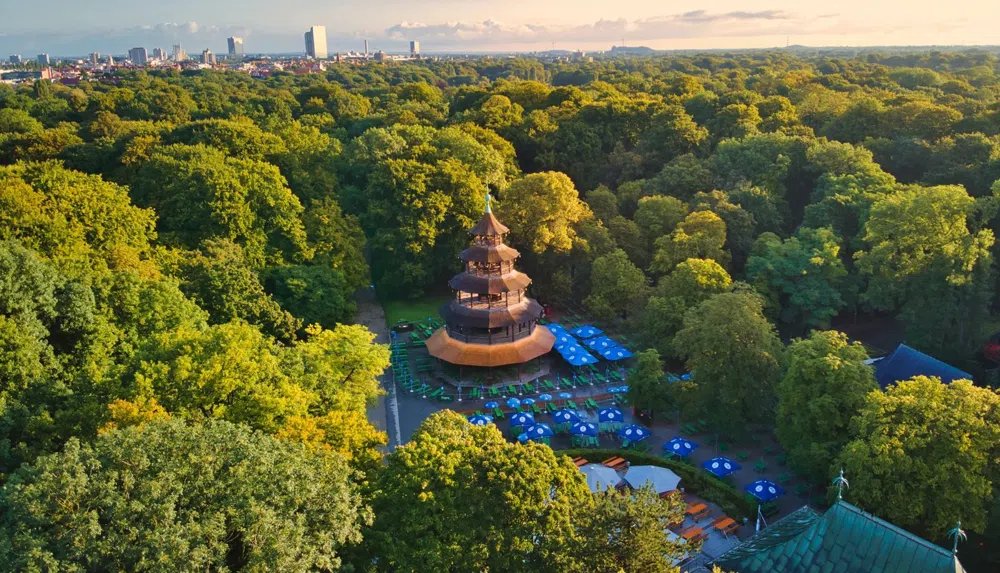
Under the Chestnut Trees: Where Munich Shares a Bench
A calm, walkable guide to Munich's beer gardens — which ones suit a big group, which suit two, and how to claim a bench under the chestnuts without getting it wrong.
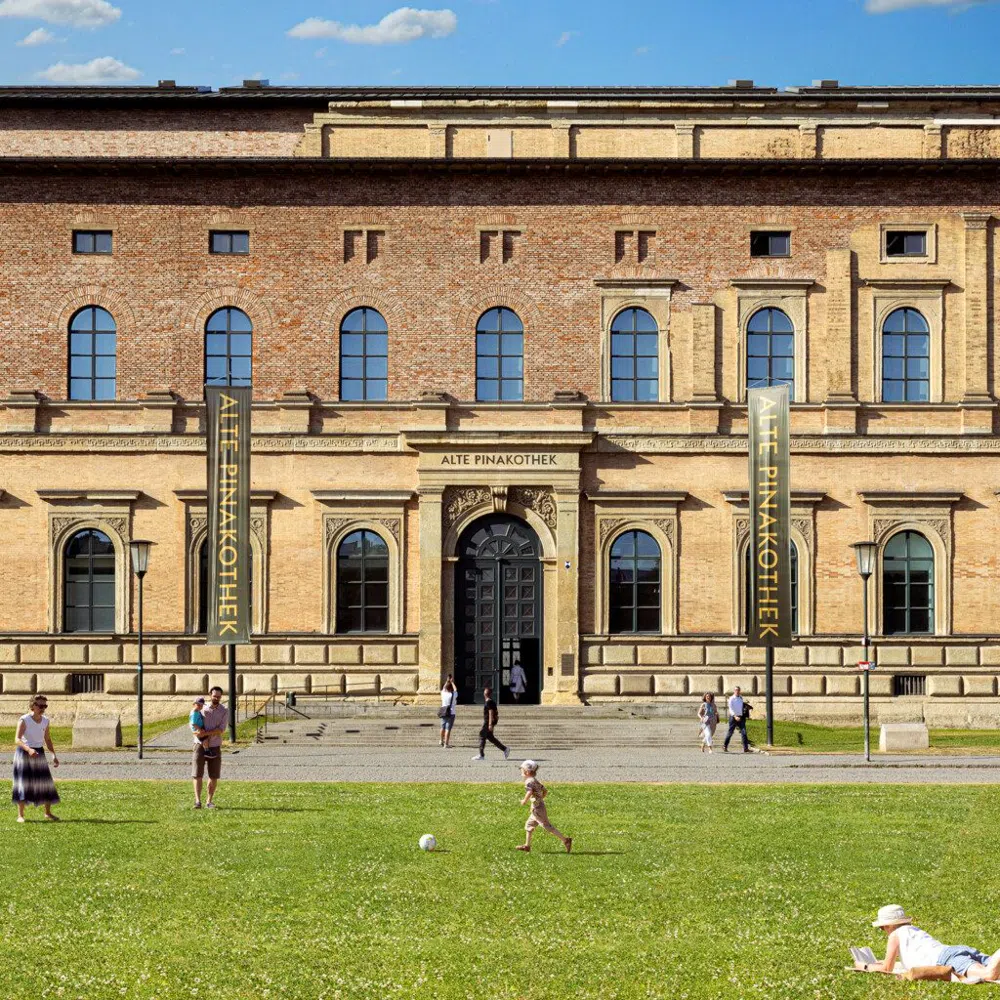
The Kunstareal: Munich's Museum Quarter Where Art Sits Four Deep
A calm, walkable route through Munich's museum quarter and its outriders — from Königsplatz marble to a wall of Warhols — with the honest version of which rooms reward an hour and which suit a group of twelve.
Where to base yourself
The neighborhoods
01
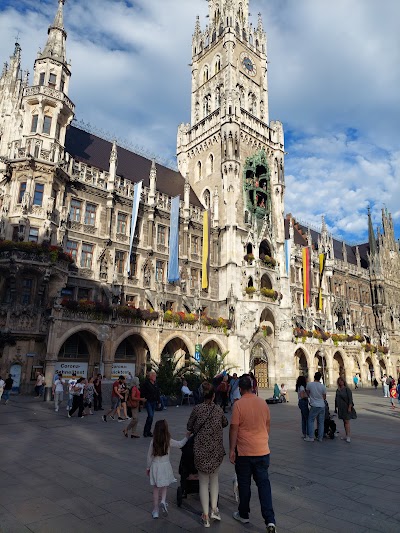
Altstadt
For First-time visitors who want to be within walking distance of major sights, though it gets highly crowded with tourists and lacks neighborhood authenticity.
The historic core, filled with grand Gothic and Baroque architecture, pedestrianized shopping streets, and major landmarks.
Where to stay — Grand luxury hotels and traditional mid-range options dominate this area.
02
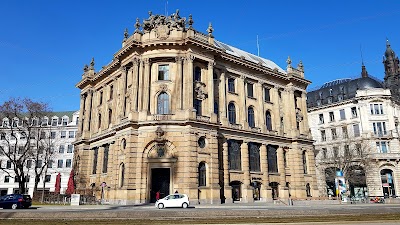
Maxvorstadt
For Art lovers and academic minds. It offers excellent cafes and bookstores, though it can feel quiet on weekends when students depart.
The academic and cultural heart of the city, defined by neoclassical museums, university buildings, and a youthful energy.
Where to stay — Sleek design hotels and boutique apartments catering to a design-conscious crowd.
03
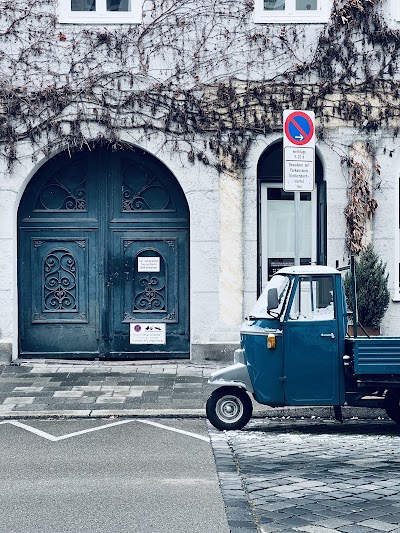
Glockenbachviertel
For Trend-focused travelers and nightlife seekers. The trade-off is higher noise levels at night and rapidly gentrifying prices.
A trendy, creative hub with a strong LGBTQ+ heritage, filled with independent boutiques, cocktail bars, and hip eateries.
Where to stay — Stylish boutique hotels and trendy guesthouses.
04
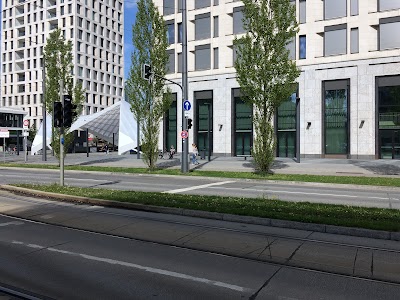
Schwabing
For Those seeking a relaxed, upscale atmosphere close to nature, though it is further from the main historic sights.
A leafy, affluent district north of the center, historically home to artists and writers, now characterized by grand Art Nouveau villas.
Where to stay — Upscale business hotels and quiet boutique properties near the park.
05
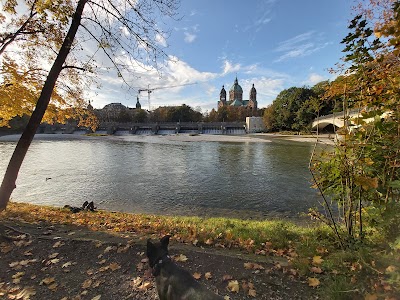
Haidhausen
For Families and travelers seeking a peaceful, village-like atmosphere with excellent local restaurants, though it requires a short tram ride to reach the center.
Often called the French Quarter due to its street layout, this area is quiet, residential, and filled with historic artisan cottages.
Where to stay — Charming mid-range hotels and quiet residential rentals.
06
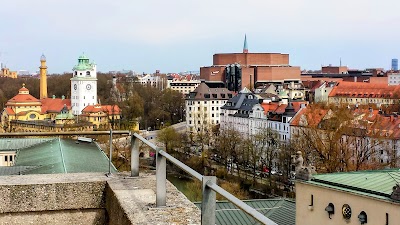
Ludwigsvorstadt
For Budget travelers and those wanting easy transit access, though the streets immediately around the station can feel gritty and chaotic.
A diverse, multicultural area near the main train station, home to Munich's Middle Eastern community and the Oktoberfest grounds.
Where to stay — Budget hostels, chain hotels, and value-oriented mid-range options.
Book direct
Book a hotel in Munich
Loading live availability and real-time prices…
Where to eat
Dining
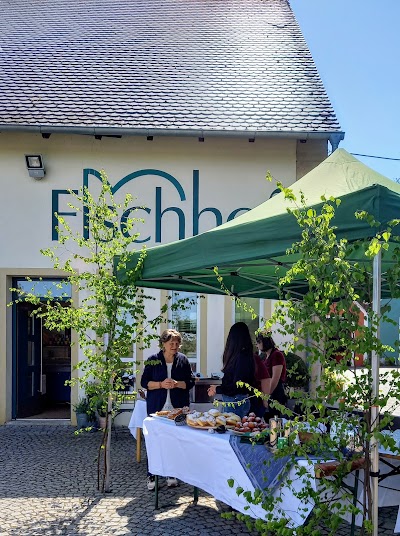
Fisch Witte
€€€Altstadt
Located directly in the Viktualienmarkt, this bustling fishmonger serves exceptionally fresh seafood at high-top tables right on the market square.
Signature — Pan-fried wild Mediterranean sea bass with market vegetables
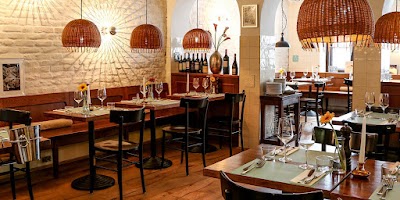
Pescheria
€€€Glockenbachviertel
A lively, Mediterranean-style tavern where you select your fish directly from an ice-filled display counter to be grilled with olive oil and herbs.
Signature — Whole grilled sea bream with rosemary potatoes
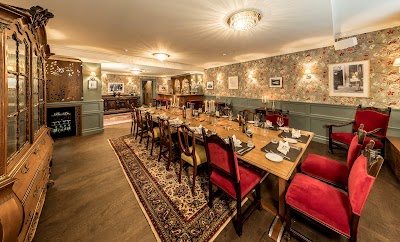
Little London Bar & Grill
€€€€Altstadt
An upscale, English-style steakhouse featuring a bespoke Montague grill that cooks premium cuts at extremely high temperatures.
Signature — Dry-aged prime rib eye cooked on the Montague grill
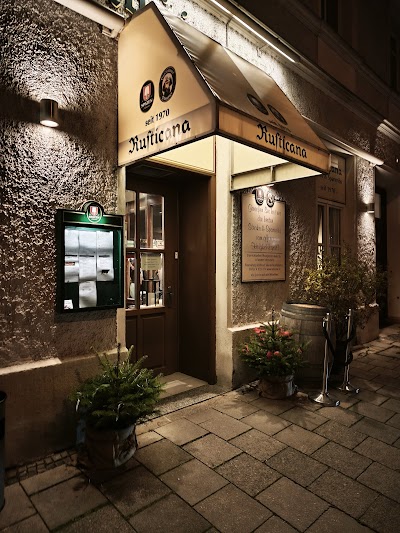
Rusticana
€€€Haidhausen
A rustic, unpretentious neighborhood steakhouse that has been grilling exceptional steaks and legendary ribs over open charcoal since 1970.
Signature — Charcoal-grilled spare ribs with house-made barbecue sauce
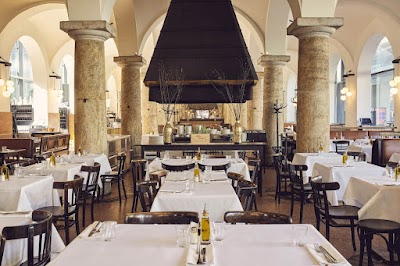
Brenner Grill
€€€Altstadt
Housed in a grand, columned former royal stable on Maximilianstraße, featuring a dramatic open-fire grill in the center of the dining room.
Signature — Teriyaki-glazed beef fillet from the open flame
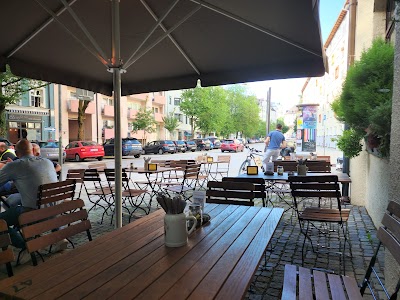
Wirtshaus in der Au
€€Au
A beloved local tavern famous for its lively atmosphere, excellent organic Bavarian ingredients, and specialization in traditional dumplings.
Signature — The giant Munich dumpling platter with dark beer gravy
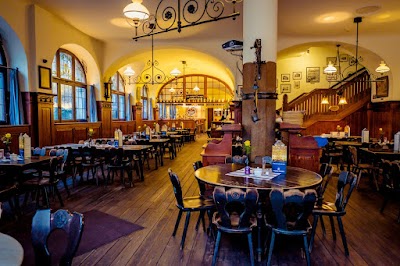
Schneider Bräuhaus
€€Altstadt
A historic brewery tavern specializing in wheat beer and traditional, nose-to-tail Munich dishes that are increasingly hard to find elsewhere.
Signature — Kronfleisch (skirt steak simmered in broth) served with fresh horseradish
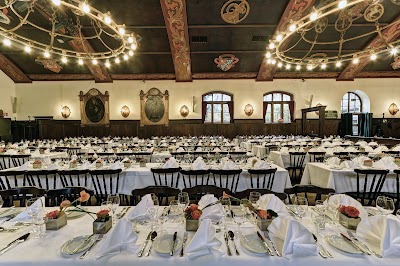
Augustiner-Keller
€€Maxvorstadt
One of the city's oldest beer halls, serving classic Bavarian comfort food alongside fresh lager tapped directly from wooden barrels.
Signature — Crispy Bavarian pork knuckle (Schweinshaxe) with potato dumplings
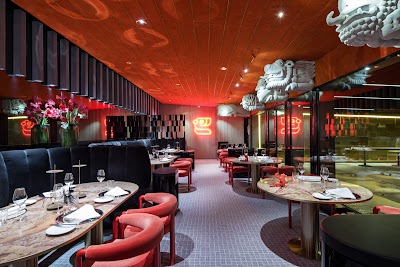
Tantris
€€€€Schwabing
A legendary temple of gastronomy operating since 1971, famous for its iconic, preserved orange-and-black 1970s design and flawless French haute cuisine.
Signature — The multi-course seasonal tasting menu
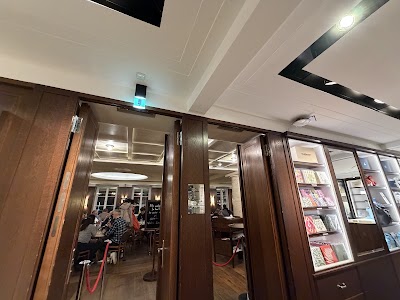
Alois - Dallmayr Fine Dining
€€€€Altstadt
Located inside the historic Dallmayr delicatessen, this elegant restaurant offers contemporary, light, and creative fine dining.
Signature — The chef's signature seafood-forward tasting menu
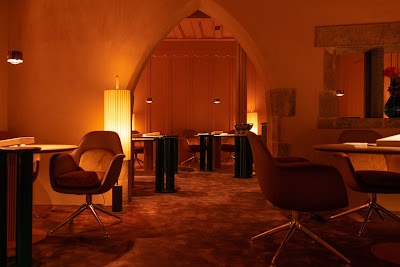
Tohru in der Schreiberei
€€€€Altstadt
Chef Tohru Nakamura serves exceptional, artful dishes that seamlessly fuse classic European techniques with Japanese flavors in a historic building.
Signature — Saddle of venison with Japanese plum and shiso
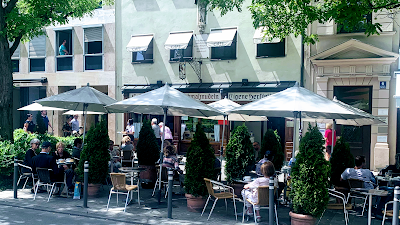
Schmalznudel - Cafe Frischhut
€Altstadt
A legendary, no-nonsense cafe near the Viktualienmarkt serving traditional fried Bavarian pastries made fresh throughout the morning.
Signature — The Schmalznudel (a flat, circular fried pastry served warm)
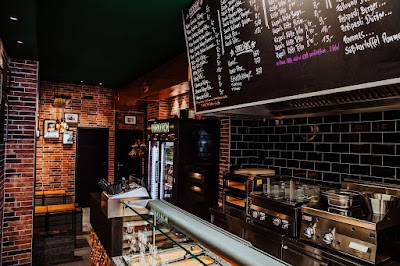
Türkitch
€Bahnhofsviertel
A cult-favorite spot that elevated the humble kebab with high-quality meats, fresh herbs, and creative sauces.
Signature — The special beef Dürüm with grilled vegetables and goat cheese
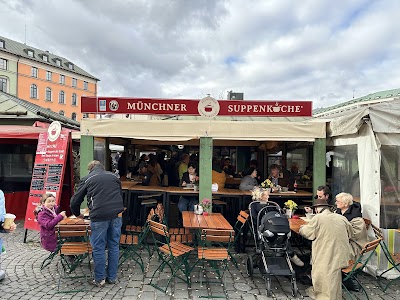
Münchner Suppenküche
€Altstadt
An outdoor soup stall in the heart of the Viktualienmarkt, perfect for a quick, warming, and highly affordable lunch.
Signature — Hearty potato soup with sliced Bavarian sausage
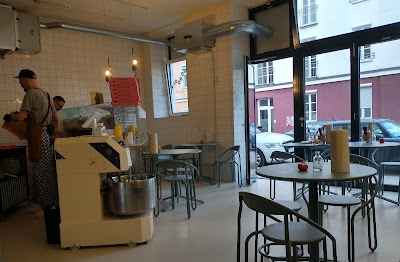
Doctor Drooly
€€Maxvorstadt
A wildly popular, cult-status vegan pizzeria serving creative sourdough pizzas with innovative house-made vegan cheeses.
Signature — The 'White Trash' pizza with vegan mozzarella, potatoes, and truffle oil
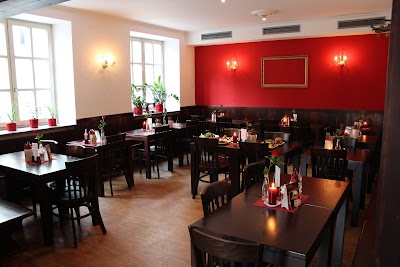
Bodhi
€€Westend
A cozy, traditional-style pub that does the impossible: serving entirely vegan versions of heavy Bavarian comfort food classics.
Signature — Vegan lupine-based schnitzel with potato-cucumber salad
After dark
Nightlife
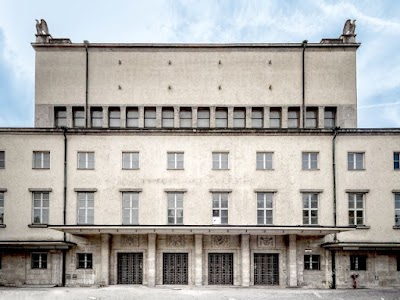
Blitz Club
Deutsches Museum Island
Housed in a former steam turbine hall, this club features a custom-designed, acoustic-optimized sound system that is widely considered one of the best in Europe.
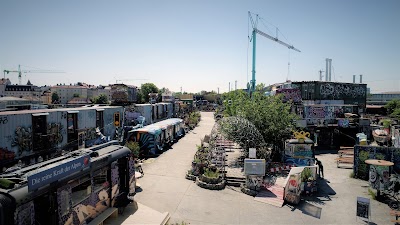
Bahnwärter Thiel
Sendling
An alternative, creative cultural space built from repurposed shipping containers, old subway cars, and a crane, offering a gritty, artistic escape.
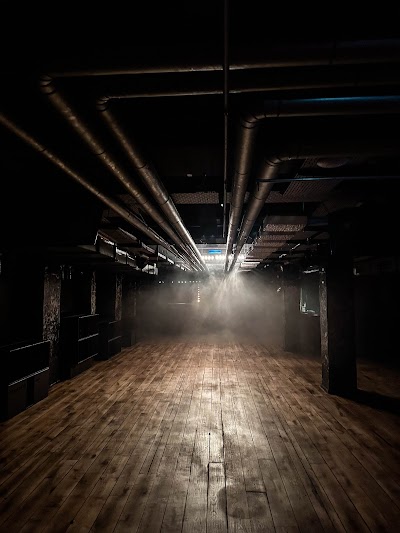
Rote Sonne
Altstadt
A long-running underground institution located in the city center, known for booking cutting-edge techno, house, and electro DJs.
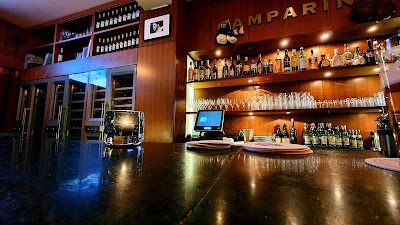
Schumann's Bar
Altstadt
Founded by Charles Schumann, this is the undisputed temple of German bar culture, where classic cocktails are served with absolute precision.
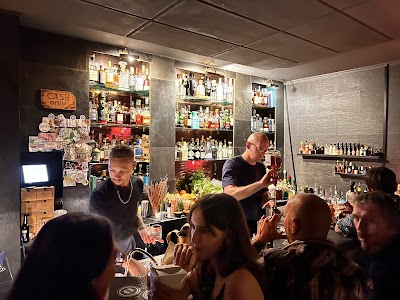
Zephyr Bar
Glockenbachviertel
An intimate, experimental cocktail den where bartenders use unusual ingredients, infusions, and elaborate garnishes to create liquid art.
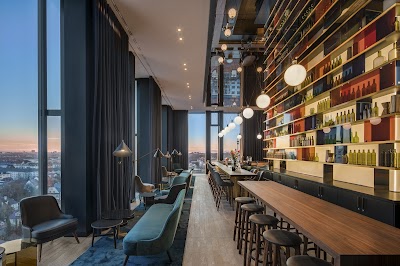
The Flushing Meadows Rooftop Bar
Glockenbachviertel
Located atop a boutique hotel, this bar offers excellent views over the rooftops of the Glockenbachviertel toward the Alps on a clear day.
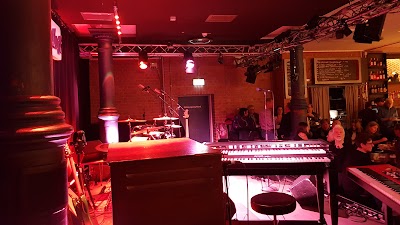
Unterfahrt
Haidhausen
A world-renowned jazz club located in a vaulted brick cellar, hosting international jazz legends and emerging talents almost every night of the year.
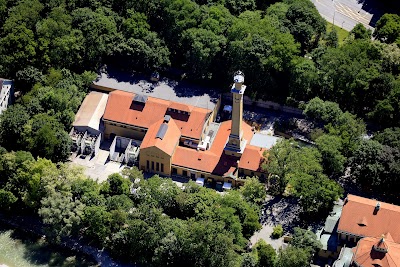
Muffatwerk
Haidhausen
A former art nouveau power station turned cultural center, hosting a diverse lineup of touring indie bands, electronic artists, and world music.
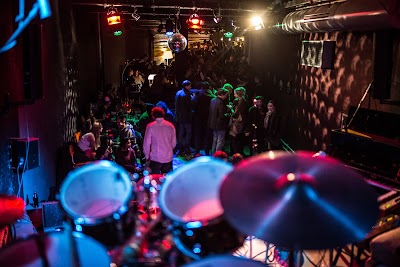
Milla Club
Glockenbachviertel
An intimate, subterranean venue that champions indie bands, experimental artists, and local singer-songwriters before turning into a dance club late at night.
Art & history
Culture
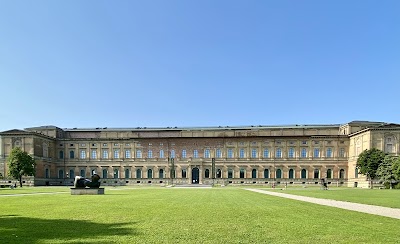
Alte Pinakothek
Maxvorstadt
One of the oldest galleries in the world, housing an unparalleled collection of European masterpieces from the 14th to the 18th centuries, including works by Dürer, Rembrandt, and Rubens.
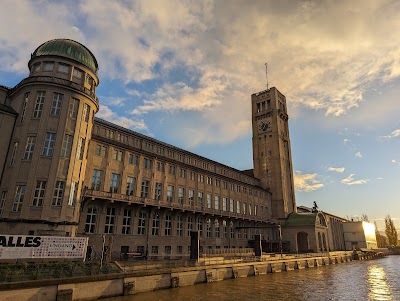
Deutsches Museum
Isar Island
The world's largest museum of science and technology, featuring interactive exhibits spanning aviation, astronomy, and marine navigation on an island in the Isar River.
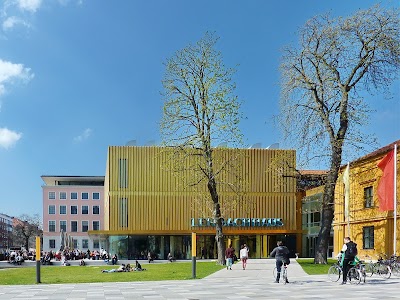
Lenbachhaus
Maxvorstadt
A stunning Italianate villa housing the world's largest collection of the 'Blue Rider' (Der Blaue Reiter) expressionist movement, including works by Kandinsky and Klee.
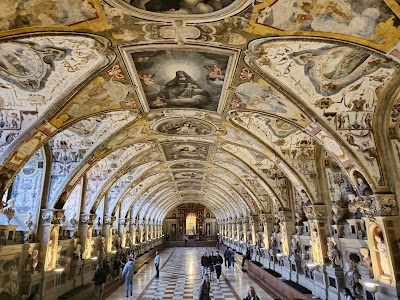
The Residenz
Altstadt
The vast former royal palace of the Bavarian monarchs, featuring spectacular Renaissance, Baroque, and Neoclassical rooms, including the breathtaking Antiquarium hall.
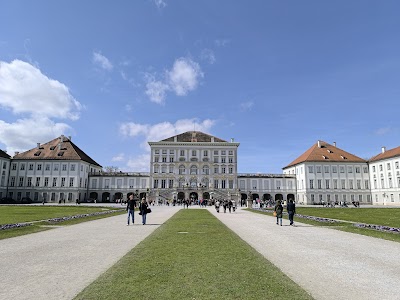
Nymphenburg Palace
Neuhausen-Nymphenburg
A grand Baroque summer palace surrounded by an expansive English-style park, canals, and smaller, ornate pavilions.
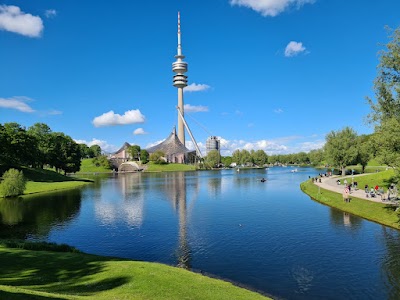
Olympiapark
Milbertshofen
Built for the 1972 Summer Olympics, this architectural masterpiece is famous for its revolutionary, tent-like tensile canopy roofs that mimic the Alps.
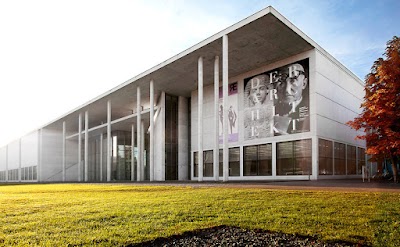
Pinakothek der Moderne
Maxvorstadt
One of Europe's largest museums for modern and contemporary art, design, architecture, and graphic works, housed in a soaring, light-filled concrete building.
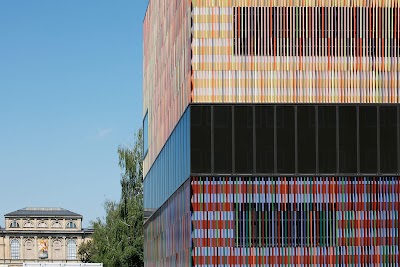
Museum Brandhorst
Maxvorstadt
An eye-catching building clad in thousands of multi-colored ceramic rods, housing a premier collection of modern art, including extensive works by Cy Twombly and Andy Warhol.
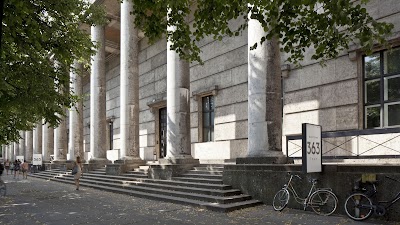
Haus der Kunst
Lehel
A non-collecting contemporary art museum housed in a monumental, austere building from the National Socialist era, now used to showcase provocative global contemporary art.
Book ahead
Top-rated experiences in Munich

Bodyflying & Indoor Skydiving at FlyStation Munich
from $77

Private Andechs Monastery Brewery Hike from Munich
from $278

Half Price Fantastic Munich City Tour
from $118

Private Multi-Day Auto Factory Tour from Munich with Hotels
from $7500

Munich Third Reich Walking Tour: The Rise of Hitler and the Nazis
from $35

Salzburg Semi-Private Guided Day Tour from Munich with Lunch
from $337

Behind The Screen Discover Authentic Munich with a Private Host
from $177

Private tour to Neuschwanstein Castle from Munich
from $632
Prices from Viator; we may earn a commission when you book — at no extra cost to you. Tours are sold and operated by Viator, the merchant of record. Ratings are collected by Viator and Tripadvisor.
Timing
When to visit
Spring
Temperatures are mild and the crowds are thin. The Frühlingsfest on the Theresienwiese offers a smaller, more local alternative to Oktoberfest, and the beer gardens begin to open their gates.
Summer
The city comes alive outdoors. Locals spend afternoons swimming in the Isar, sunbathing in the English Garden, and drinking under the shade of chestnut trees until late in the evening.
Autumn
Late September and early October are dominated by Oktoberfest. Hotel prices skyrocket and the city is packed. Late October brings crisp alpine air, autumn foliage, and a quieter, more relaxed atmosphere.
Winter
Cold and occasionally snowy, but highly atmospheric. The city's squares fill with traditional Christmas markets serving hot spiced wine, and the nearby Bavarian Alps are easily accessible for skiing.
What it costs
Budgeting
Logistics
Getting around
From the airport
The S-Bahn S1 and S8 lines run directly from the airport terminals to the central station (Hauptbahnhof) and Marienplatz, departing every 10 minutes and taking approximately 40 minutes.
Public transit
Munich has a highly efficient, integrated network of U-Bahn (subway), S-Bahn (suburban trains), trams, and buses run by the MVV. The system operates on a zone-based ticketing model.
Passes & tickets
The Group Day Ticket (Gruppen-Tageskarte) offers unlimited travel for up to five adults and is highly economical. The Munich Card provides transit and small discounts on attractions in the €-€€ price band.
On foot
The historic center (Altstadt) is almost entirely pedestrianized and highly walkable. Walking from Marienplatz to the edge of the English Garden takes less than twenty minutes.
Travel smart
Safety & etiquette
Local etiquette
- •Do not cross the street on a red pedestrian light; locals take this rule very seriously, and you will be scolded, especially if children are present.
- •Always carry cash; many traditional Bavarian taverns, bakeries, and market stalls do not accept credit cards.
- •When clinking glasses, say 'Prost' and make eye contact with each person at the table.
From the ground
Practical tips
1
Buy a Group Day Ticket (Gruppen-Tageskarte) if traveling with two or more people; it is cheaper than buying individual single tickets.
2
Shops close strictly by 8:00 PM from Monday to Saturday, so plan your shopping and grocery runs accordingly.
3
On S-Bahn and U-Bahn escalators, always stand on the right and walk on the left to avoid blocking locals rushing for trains.
4
Avoid ordering a 'small' beer in a traditional beer garden; the standard size is a one-liter 'Maß', and asking for less is highly unusual.
5
If you want to visit the Neuschwanstein Castle interior, you must book your timed entry ticket online weeks in advance; walk-up tickets sell out almost immediately.
6
Keep a few €1 coins handy for public restrooms, which frequently require a small fee for entry or a tip for the attendant.
Munich FAQs
Can I bring my own food to any beer garden?
Yes, but only to traditional self-service areas. If a table has a tablecloth and wait service, you must order from the menu; if it is a bare wooden table in the self-service zone, you are welcome to bring your own picnic as long as you buy your drinks there.
How do I eat a traditional Weißwurst?
Do not eat the skin. Cut a shallow slit down the length of the sausage and peel the skin away with your knife and fork, or try the traditional 'zuzeln' method of cutting off the tip and sucking the meat out of the casing.
Is it necessary to book Oktoberfest tables in advance?
For large groups on weekends, yes, months in advance. However, by law, large portions of the tents must remain unreserved for walk-ins, so small groups can usually find space by arriving early on weekdays.
Are shops open on Sundays in Munich?
No, Germany's strict Sunday closing laws (Ladenschlussgesetz) mean almost all supermarkets, department stores, and boutiques are closed. Only select shops at the main train station and airport remain open.
Is the tap water safe to drink?
Yes, Munich's tap water is of exceptional quality, sourced directly from pristine alpine springs in the Mangfall Valley.